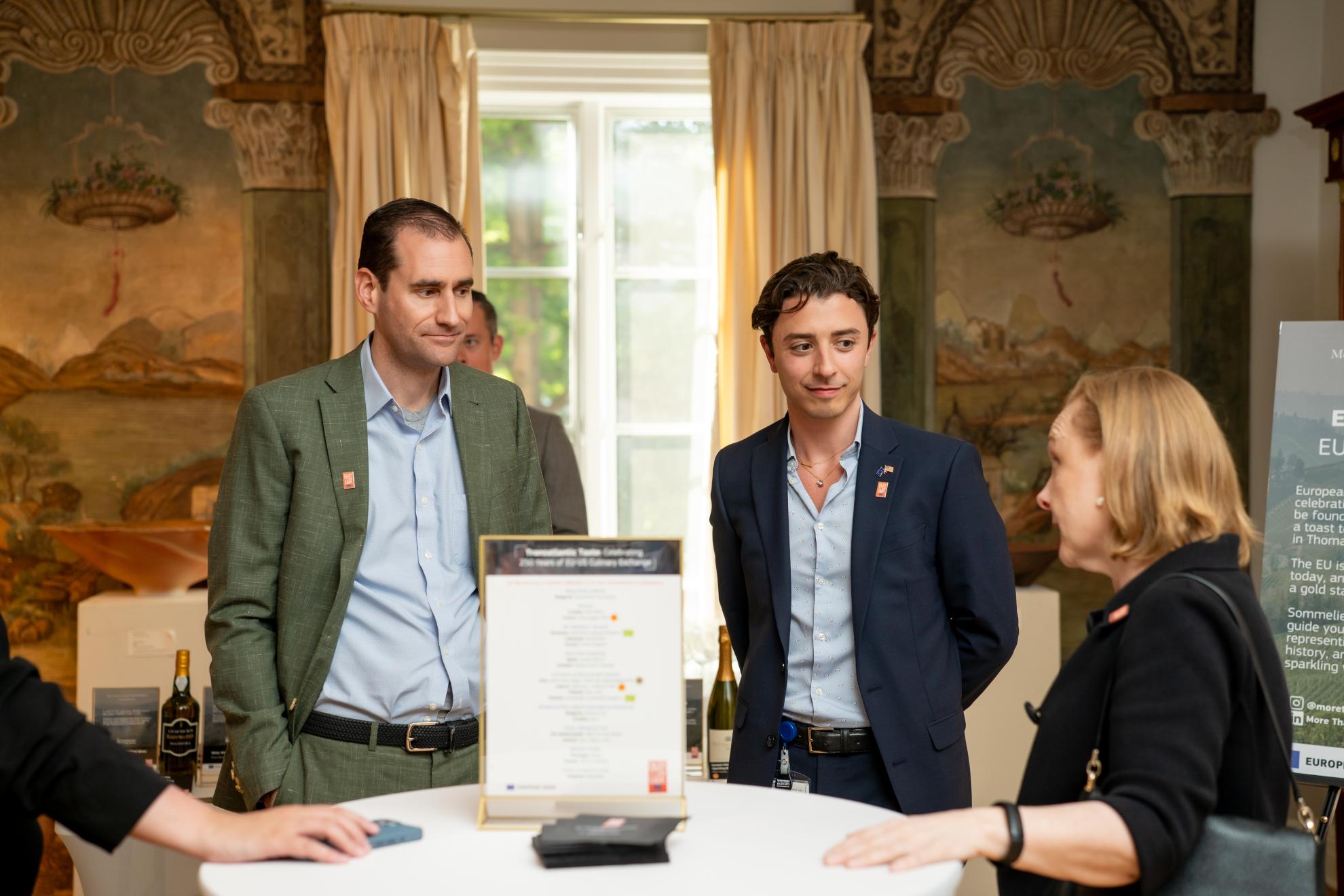
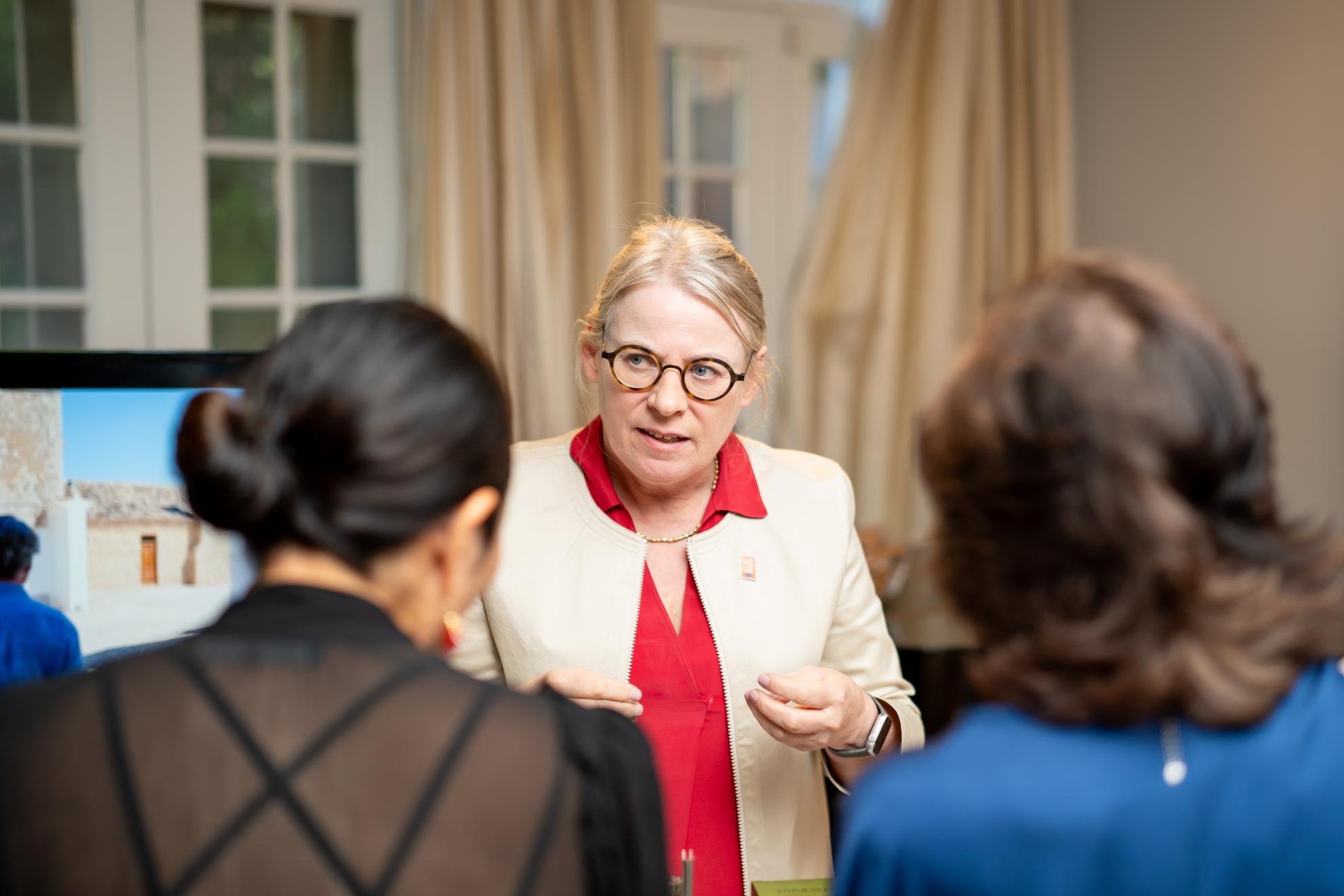
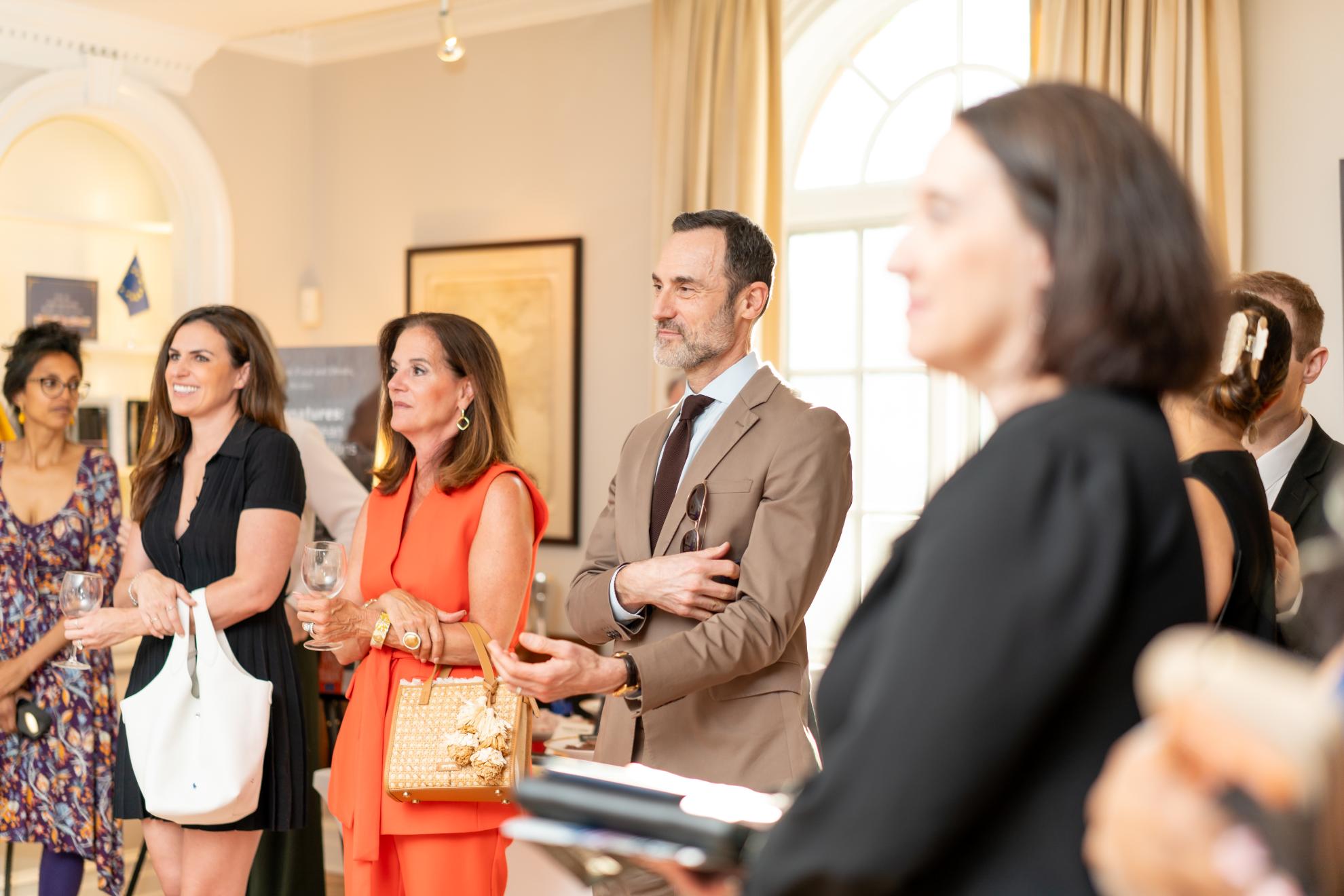
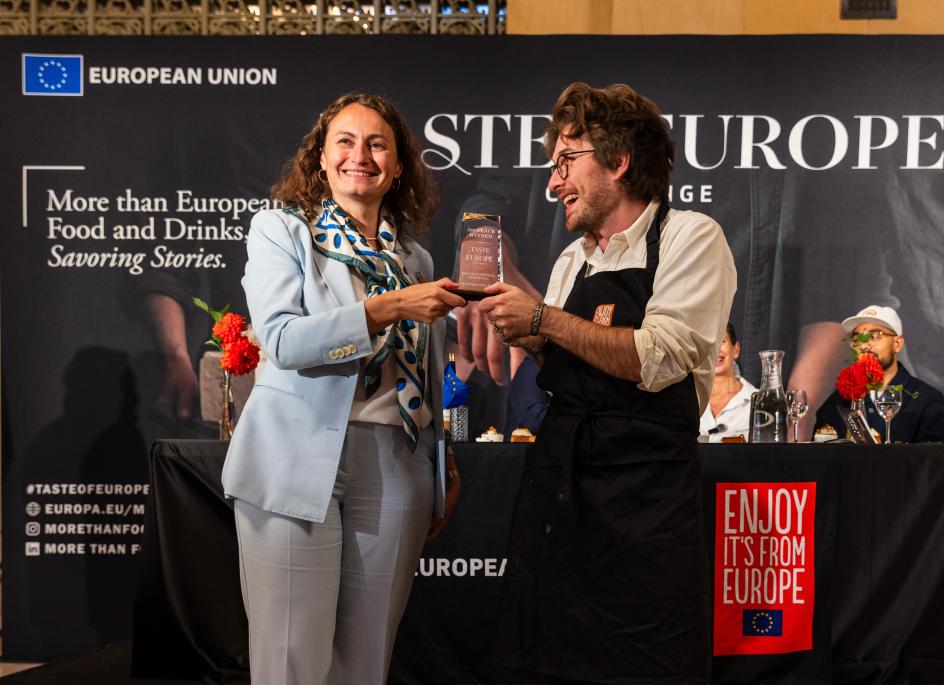
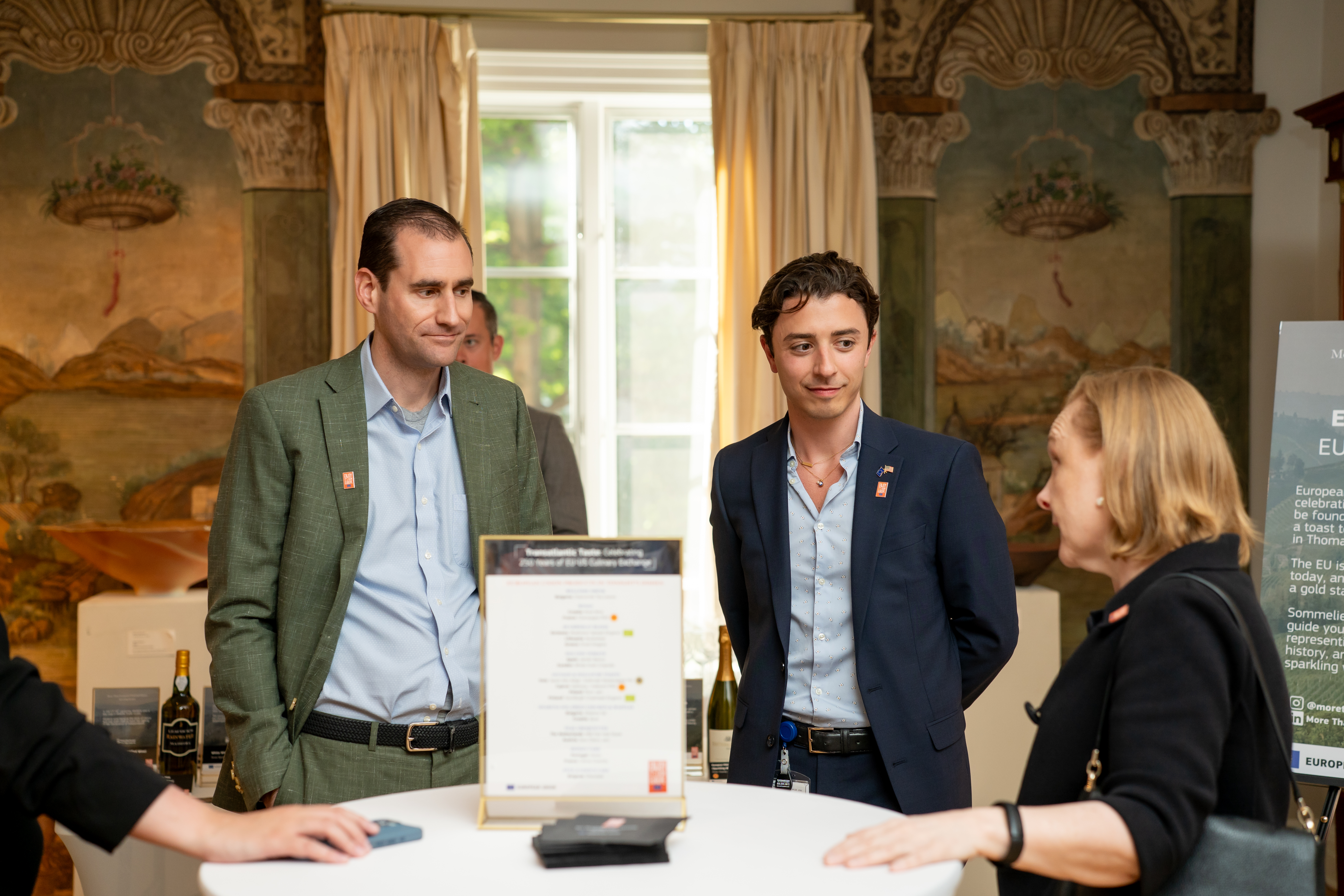
Timed to coincide with the United States’ upcoming 250th anniversary an exclusive event on June 3 at the Residence of the Ambassador of the European Union to the United States Jovita Neliupšienė highlighted the deep-rooted connections between Europe and America through guided tastings, expert storytelling, and a curated selection of products representing all 27 European Union Member States.

As part of the More than European Food and Drinks, Savoring Stories campaign, the event “Transatlantic Taste: Celebrating 250 Years of EU-US Culinary Exchange” showcased the enduring influence of European food and beverage traditions on American culinary culture.
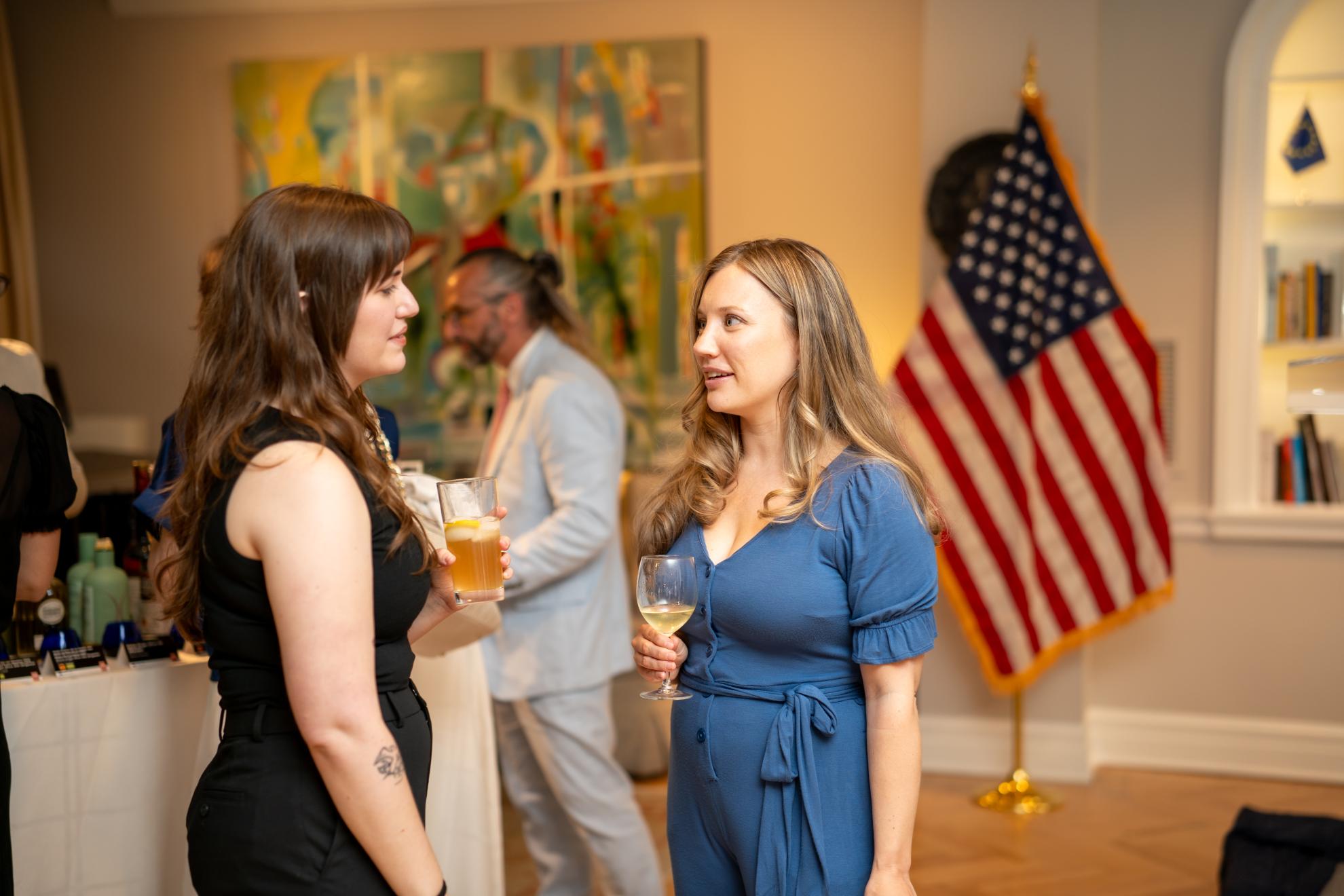
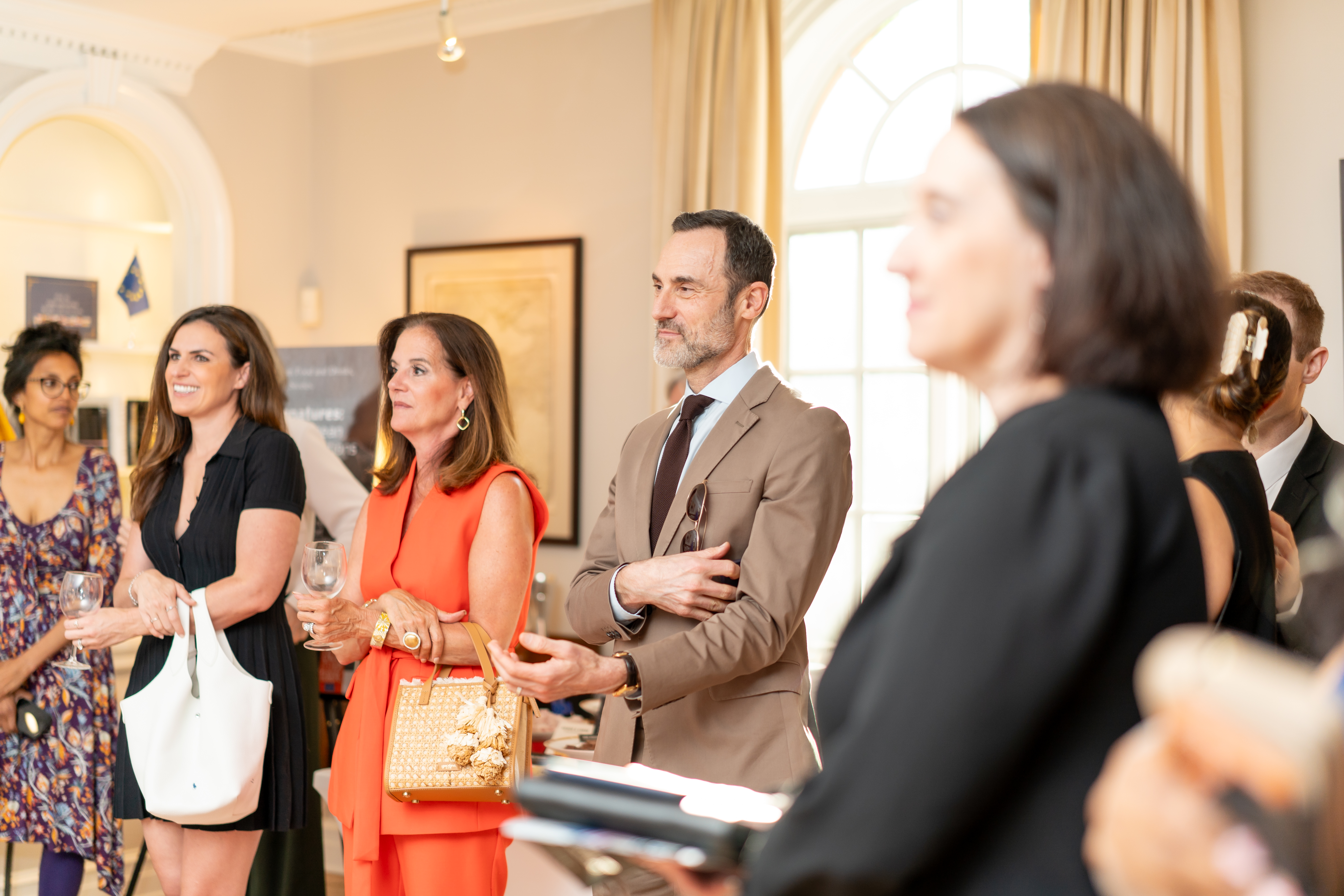
Through guided tastings and expert presentations, journalists, food writers, influencers, and trade professionals discovered the deep historical connections linking Europe and America.

European wines and America’s celebrations
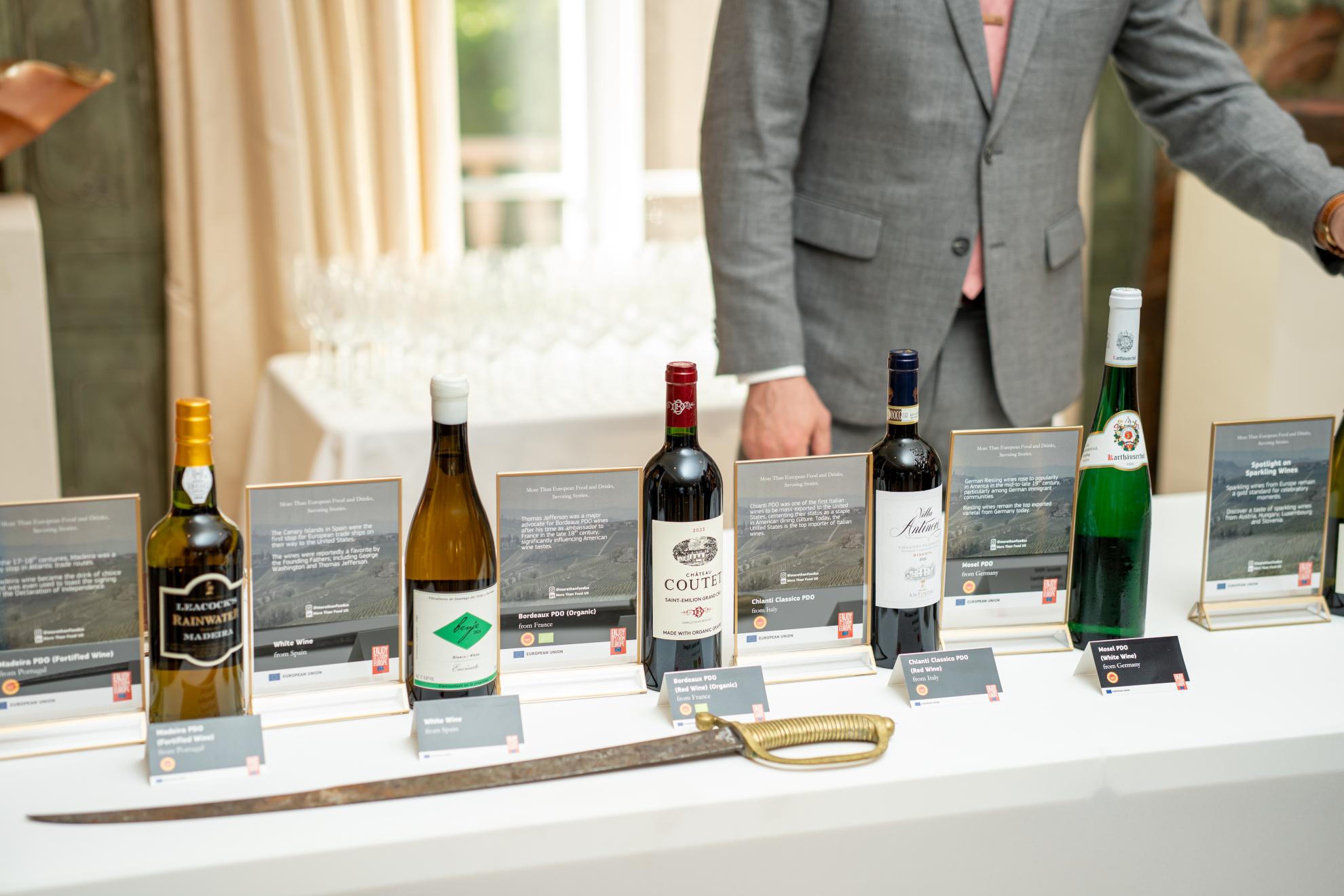
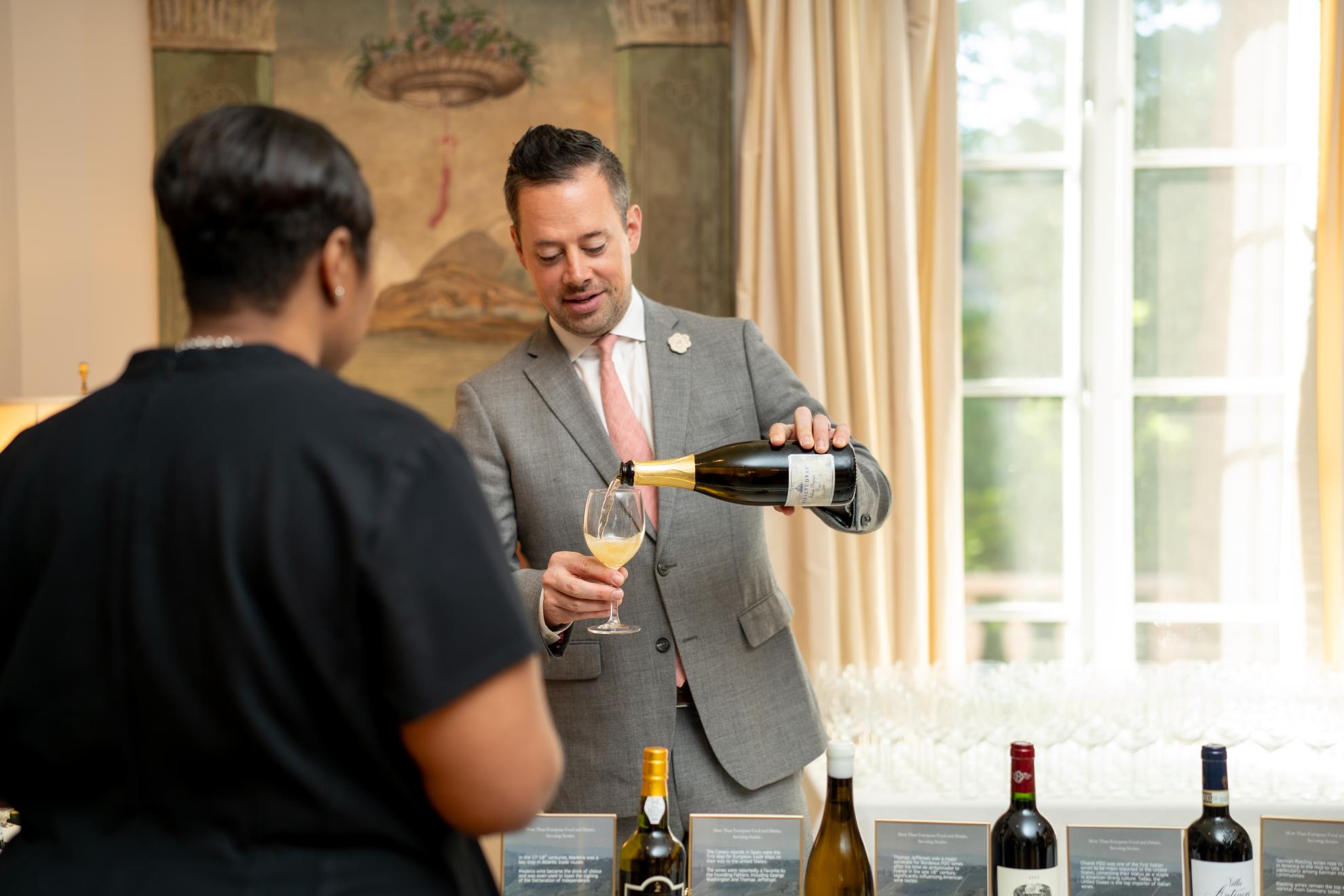
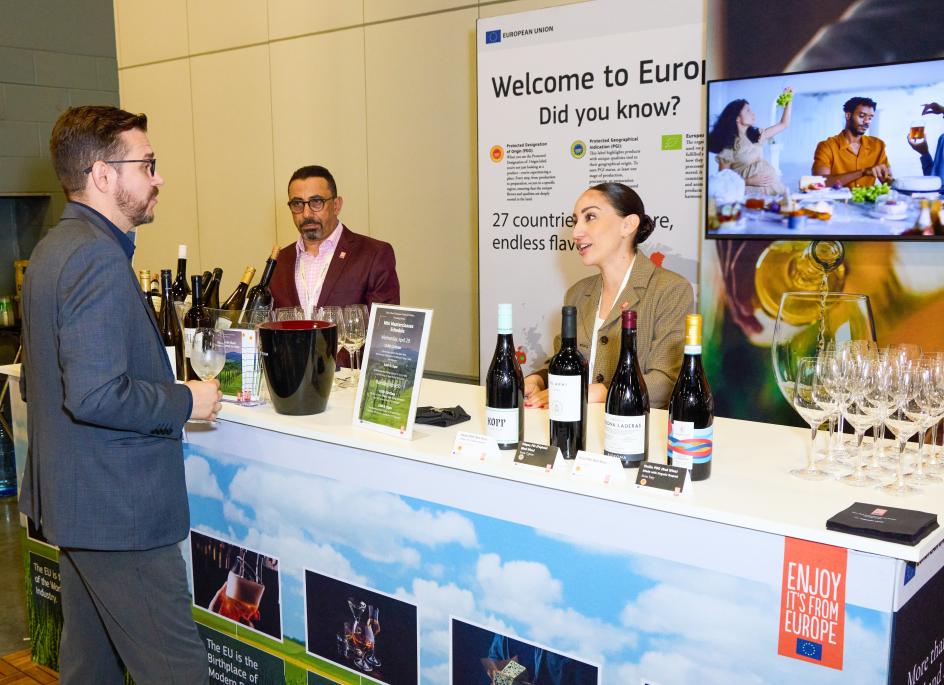
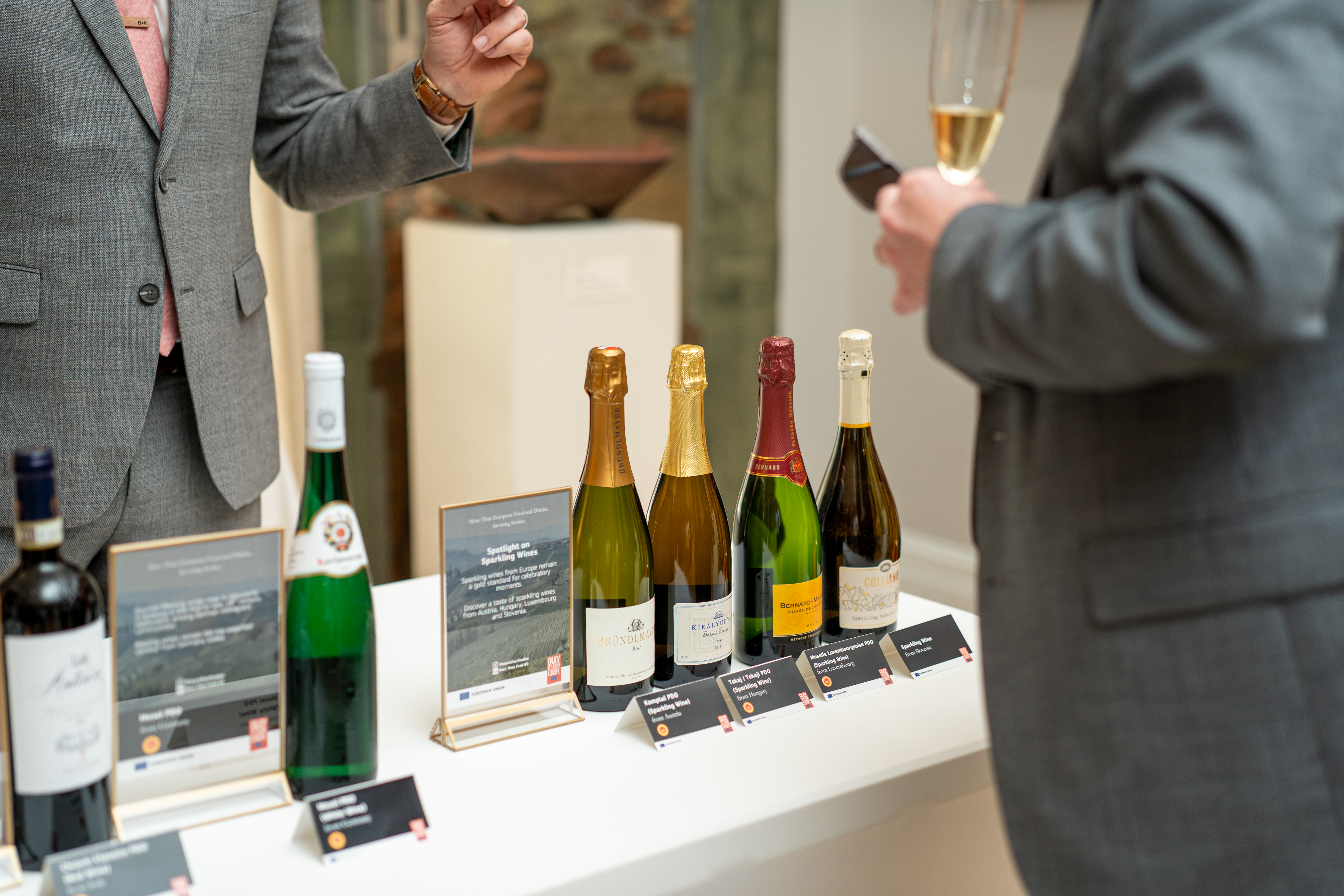
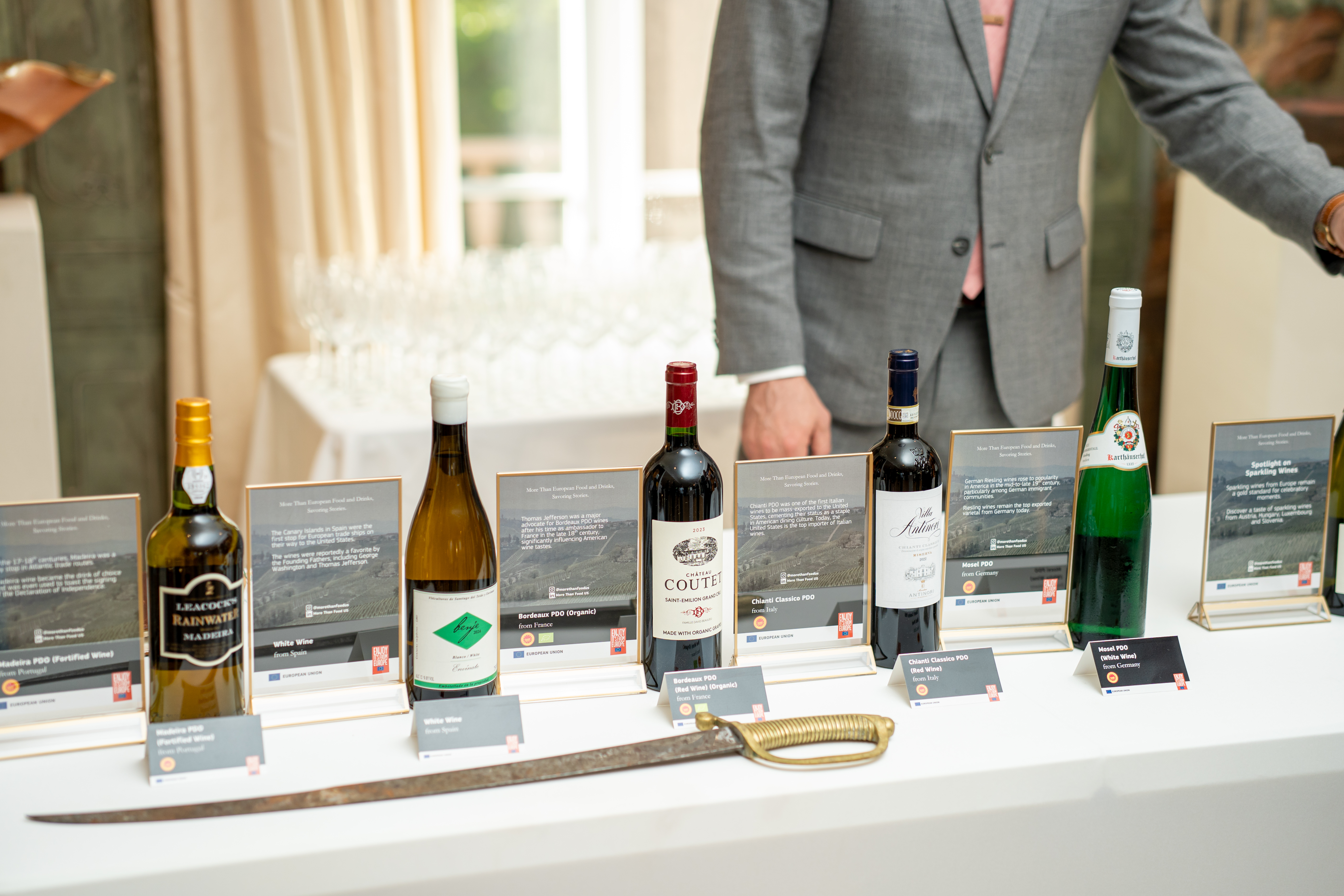
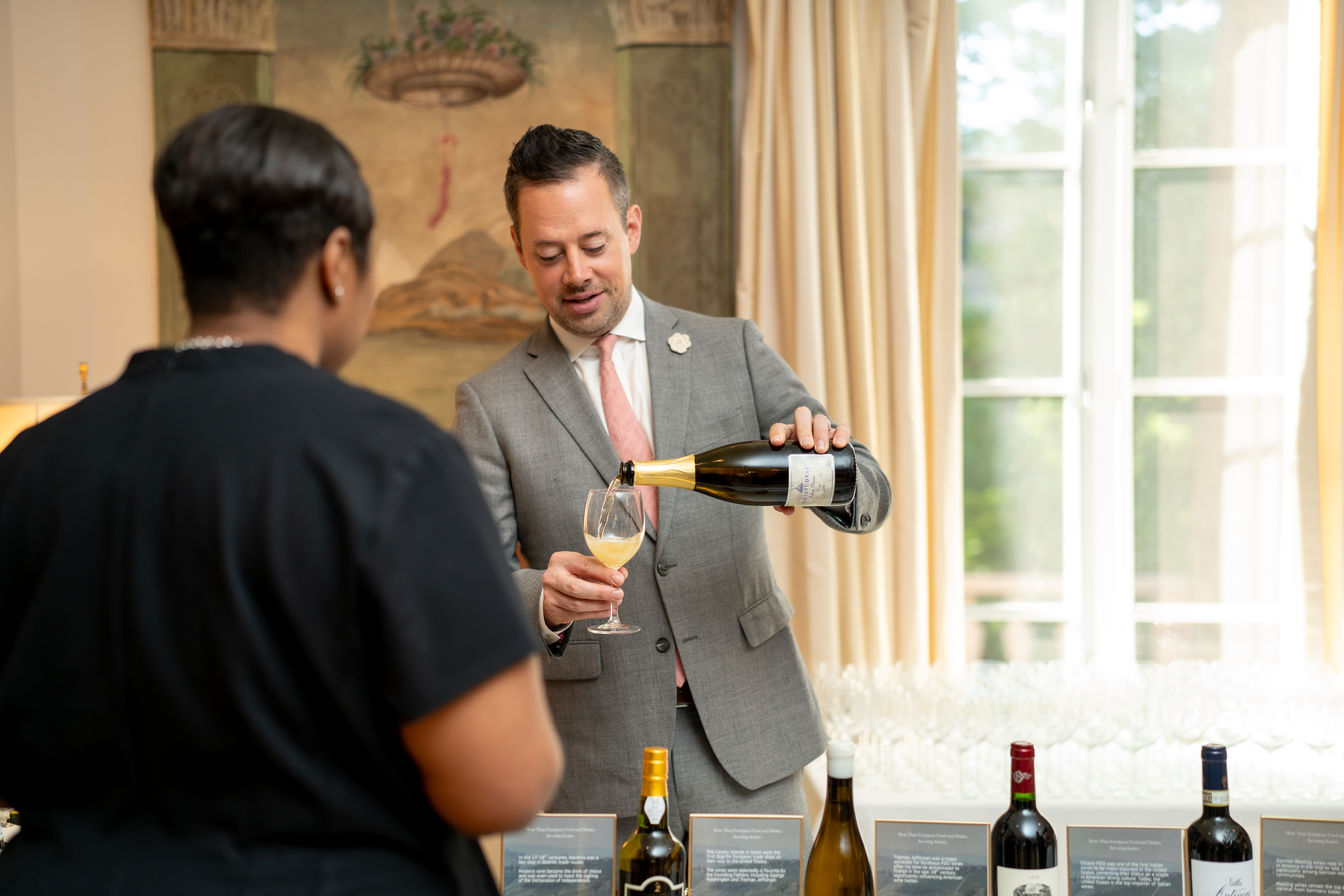
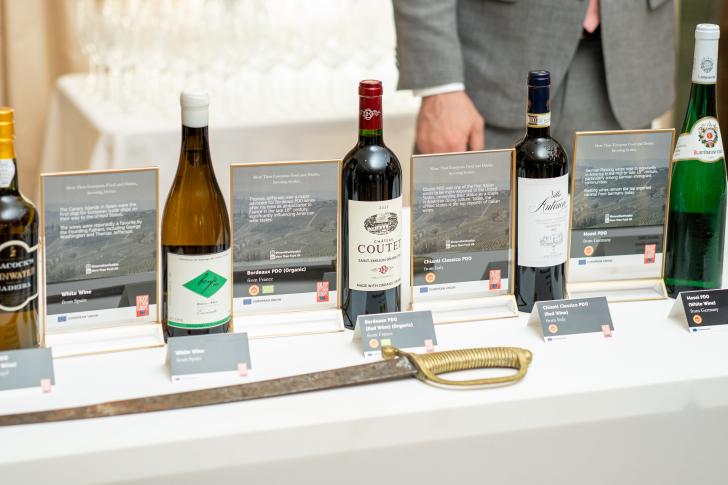
Sommelier and restaurateur Brent Kroll guided guests through a selection of European wines that reflected both historical significance and contemporary trends. Among the featured products was Madeira PDO (Protected Designation of Origin), the fortified wine that became closely associated with the American colonies during the 18th century. Shipped across the Atlantic and transformed by long ocean voyages, Madeira developed the distinctive flavors that made it a favorite among early Americans and famously helped mark the signing of the Declaration of Independence.
“Europe is the birthplace of modern winemaking, with traditions that have been passed down for generations. For centuries, European wines have been present at some of America's most memorable moments, from everyday gatherings to major celebrations,” Kroll said.
Guests also explored wines linked to the earliest trade routes between Europe and North America, including Spanish white wines from the Canary Islands that were favored by figures such as George Washington and Thomas Jefferson. The tasting further highlighted the lasting influence of Bordeaux PDO wines, which Jefferson championed following his diplomatic service in France, helping introduce generations of Americans to European wine culture.
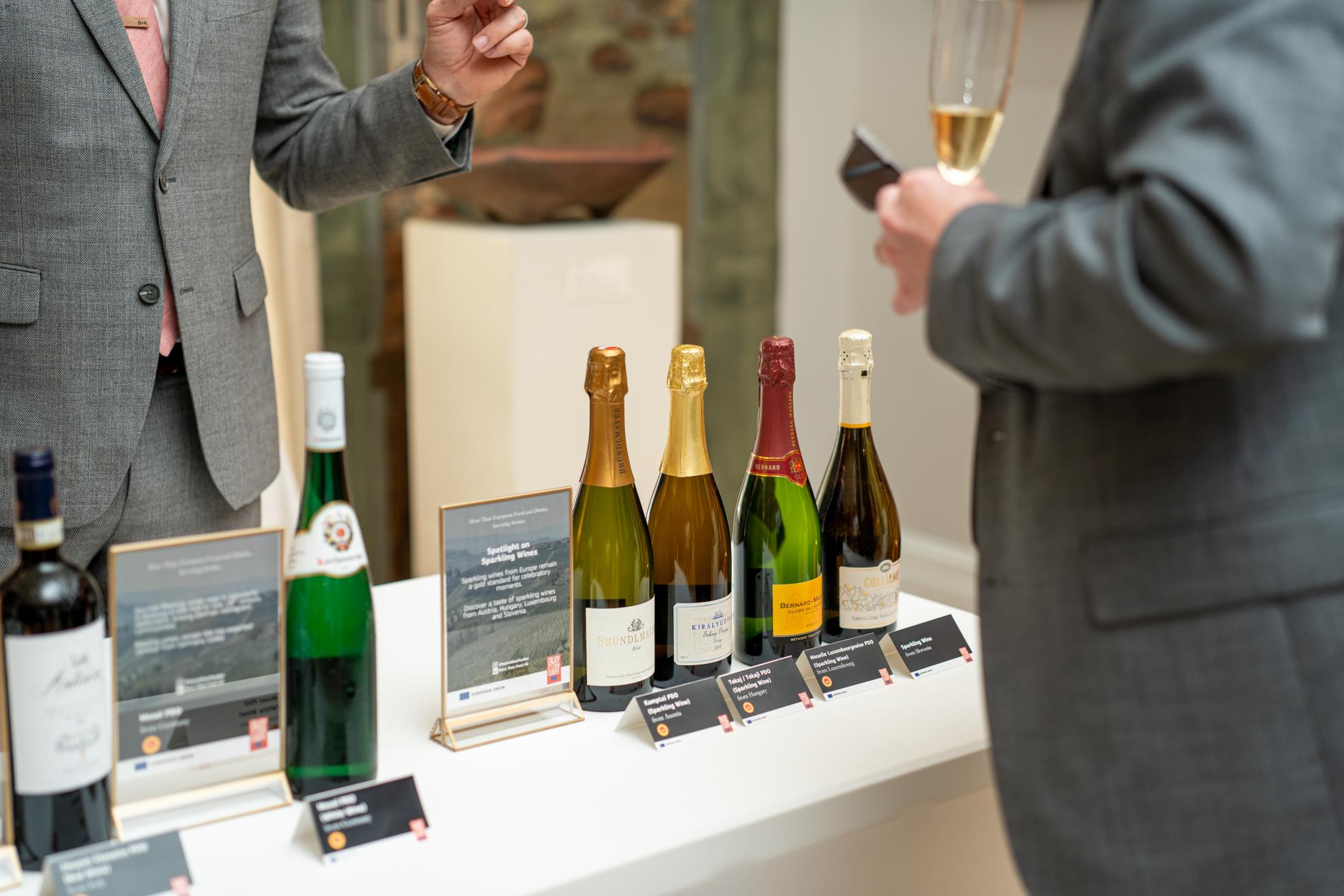
Alongside these historic selections, attendees discovered wines from Austria, Hungary, Luxembourg, and Slovenia, reflecting a growing interest among American consumers in lesser-known European wine regions and sparkling wines suited not only to celebrations but also to everyday enjoyment.
The European cheeses that shaped American tastes
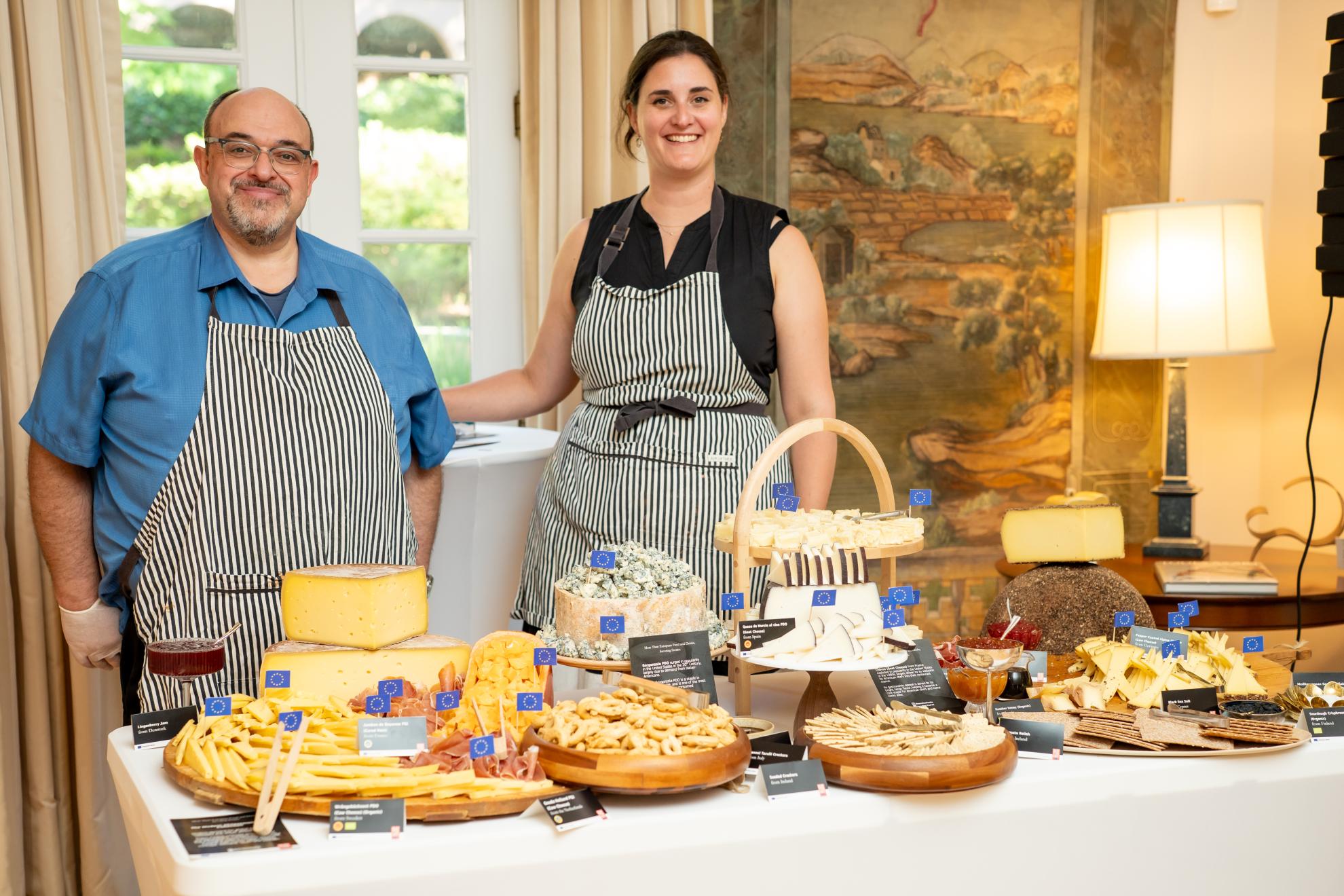
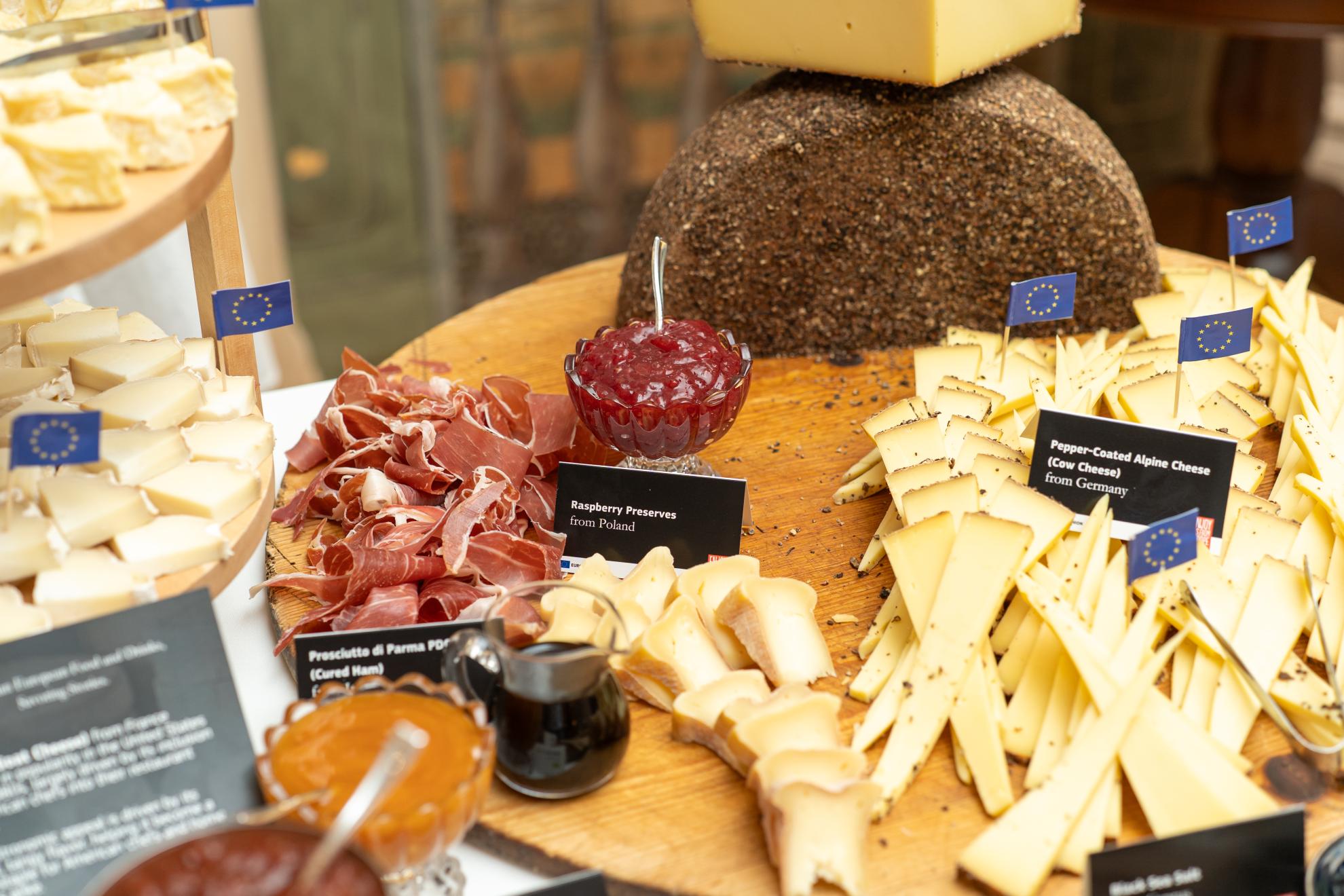
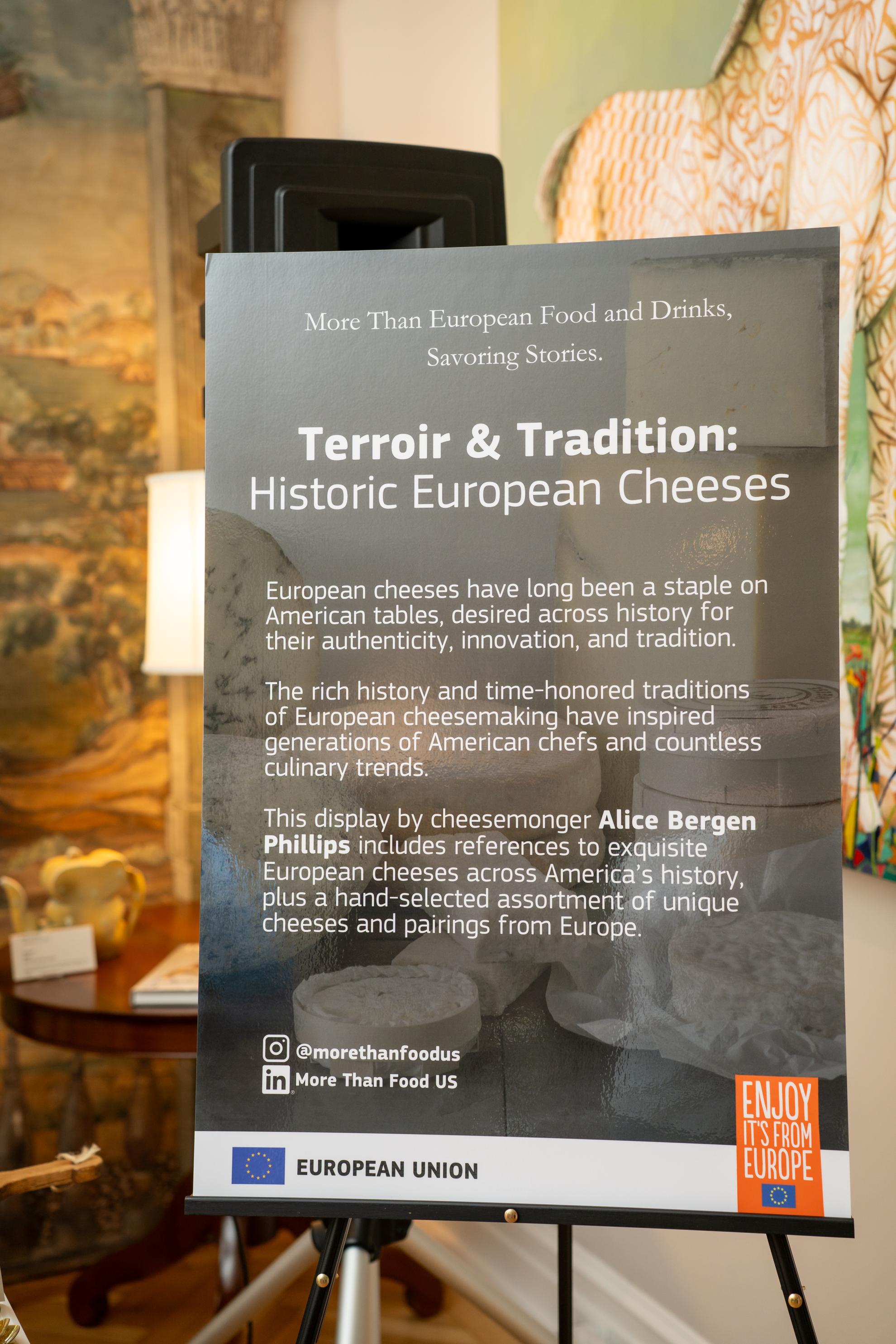
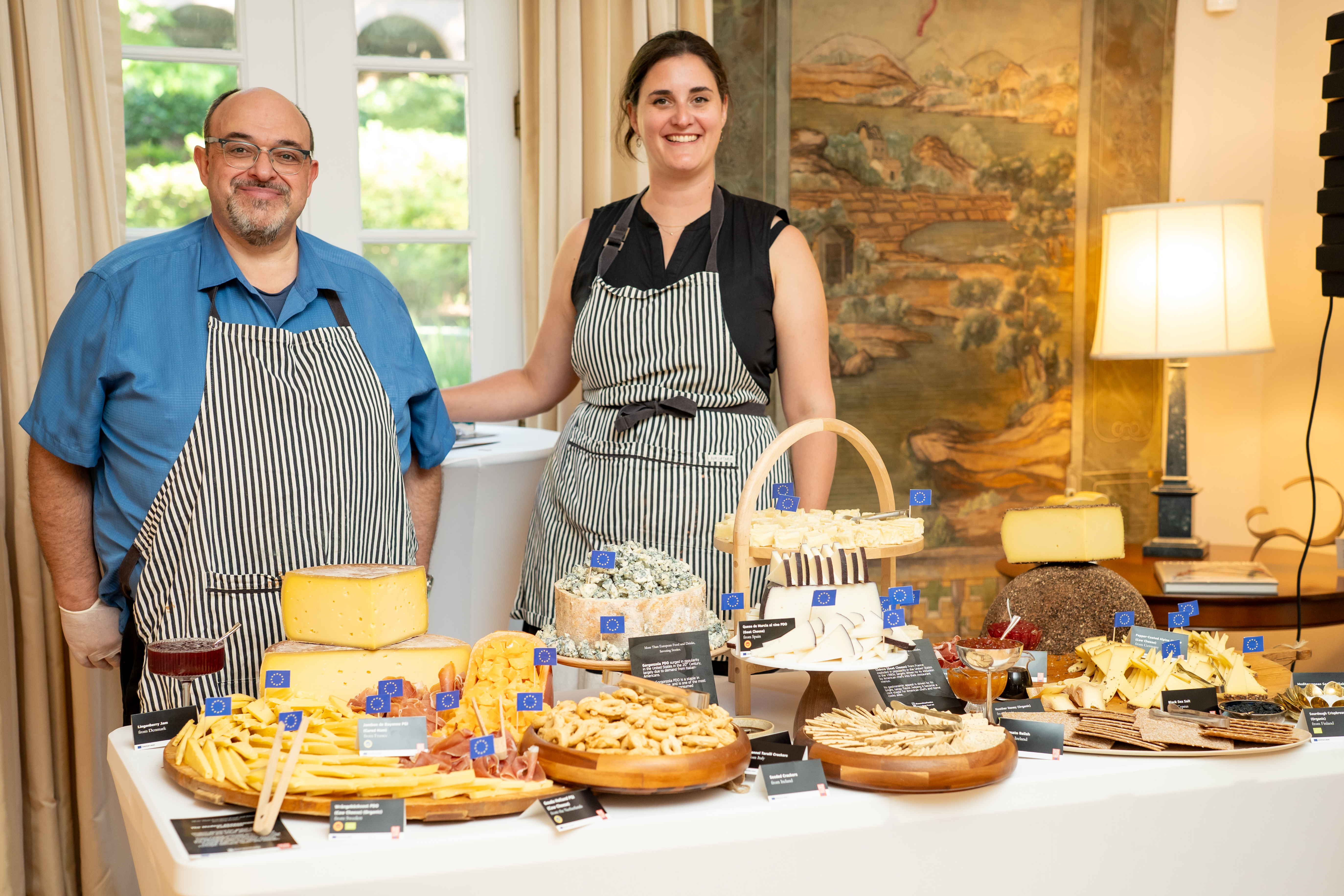
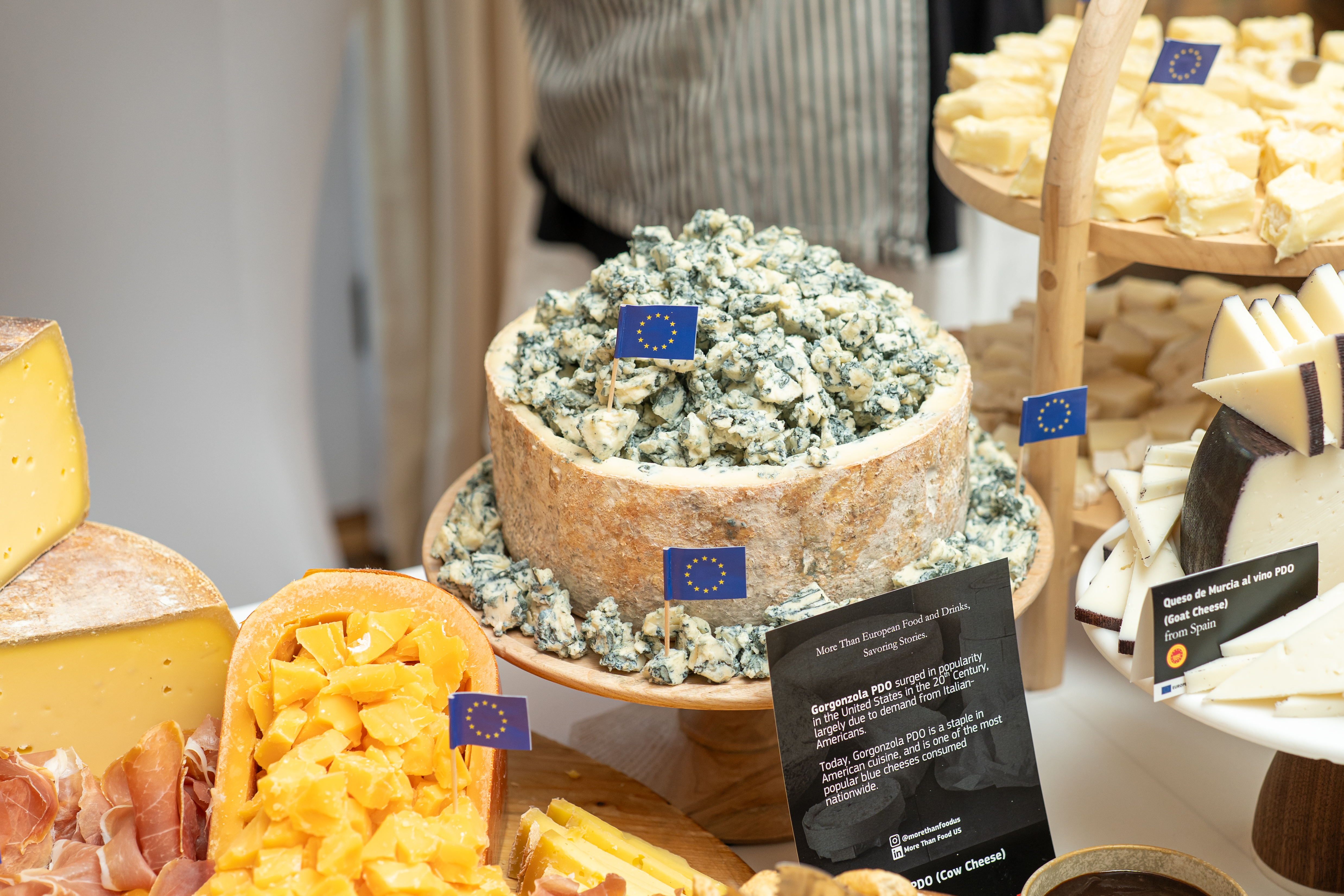
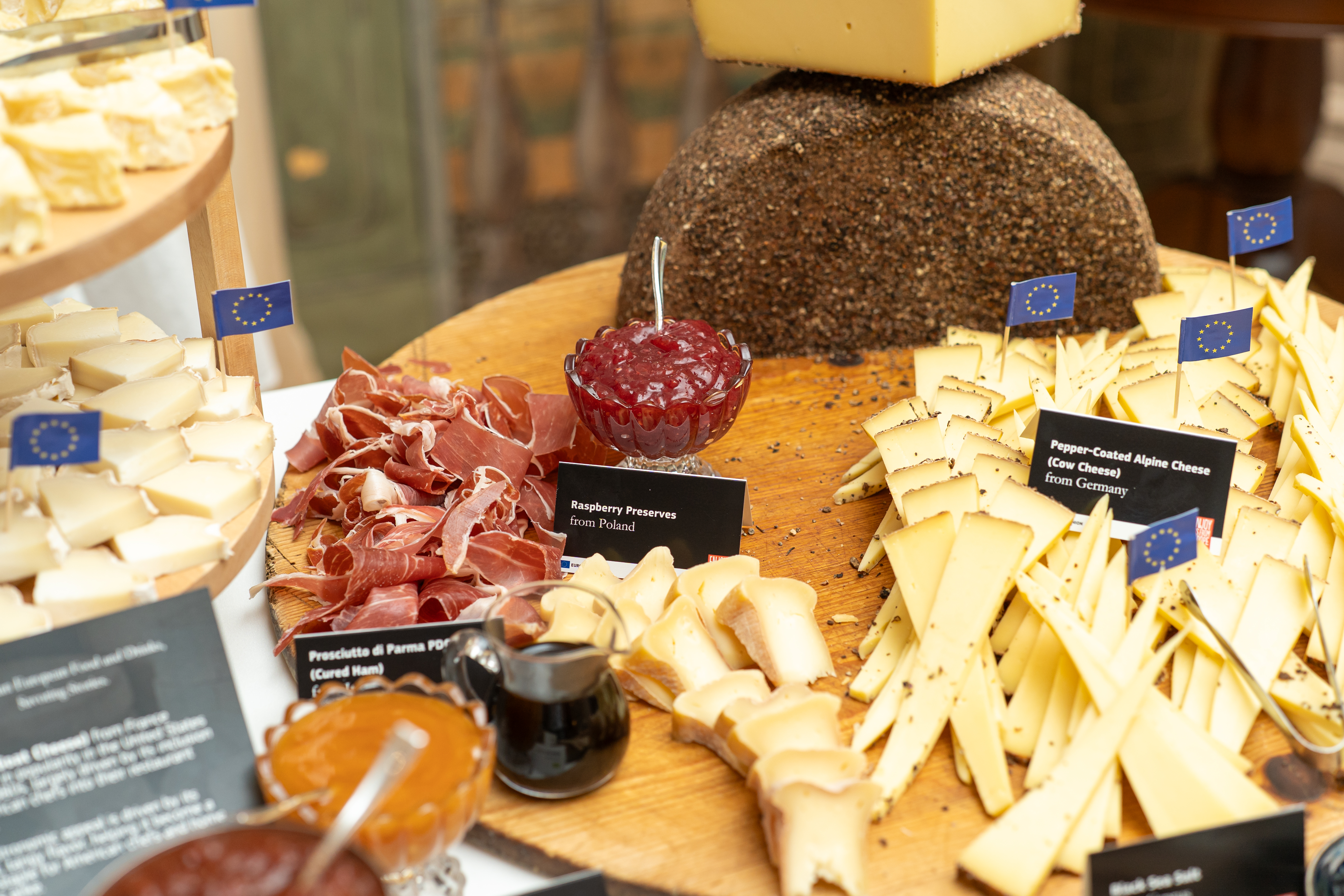
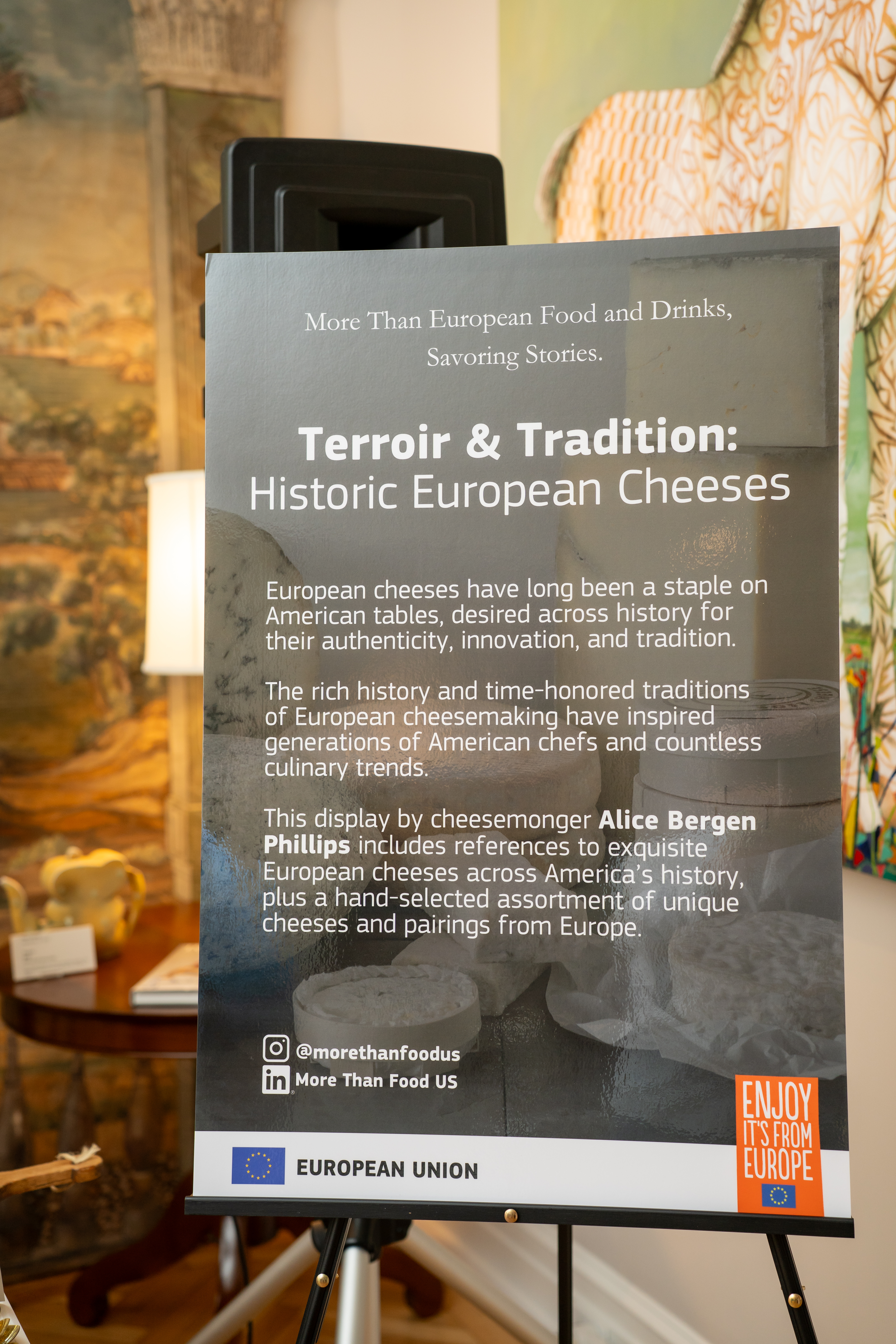
Cheesemonger and cheese educator Alice Bergen Phillips explored how European cheeses have influenced American food culture for generations. The tasting featured Gouda Holland PGI (Protected Geographical Indication), one of the cheeses historically imported to America because its dense structure and protective rind allowed it to survive lengthy transatlantic journeys. These early imports helped establish a strong tradition of Dutch cheese consumption in the United States that continues today.
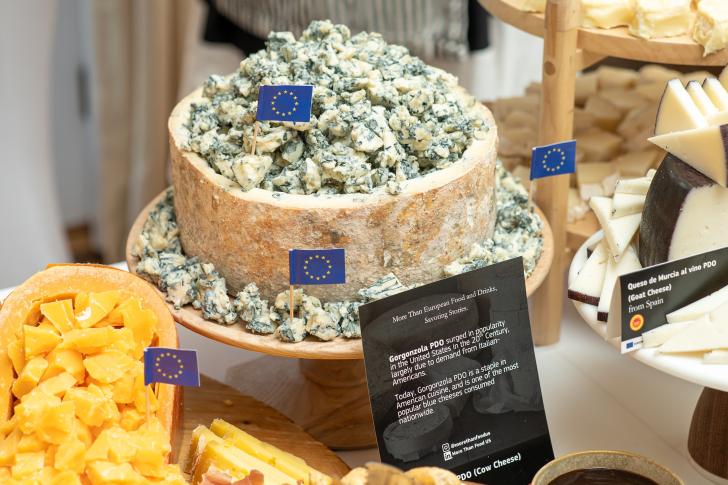
Guests also sampled Gorgonzola PDO, which gained popularity through Italian American communities and ultimately became one of the most widely enjoyed blue cheeses in the country. French chèvre illustrated another chapter in the transatlantic culinary story, having surged in popularity during the 1980s as American chefs embraced its bright flavor and versatility.
“At the same time, Americans are increasingly embracing global flavors and specialty cheeses. So, alongside these historic selections, you will also discover a range of European cheeses that showcase the incredible diversity available today,” Bergen Phillips noted.
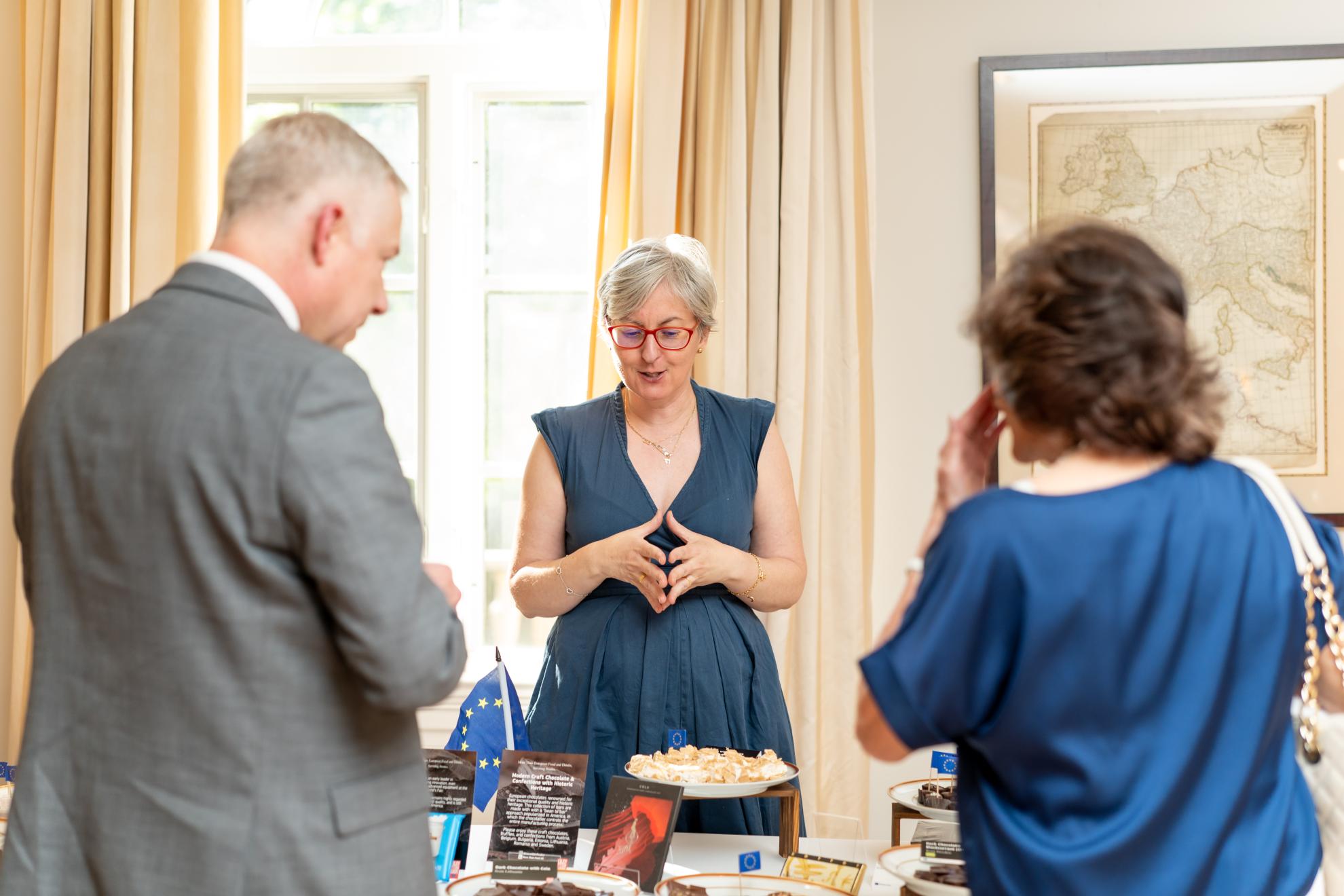
Chocolate, innovation, and a shared story of craftsmanship
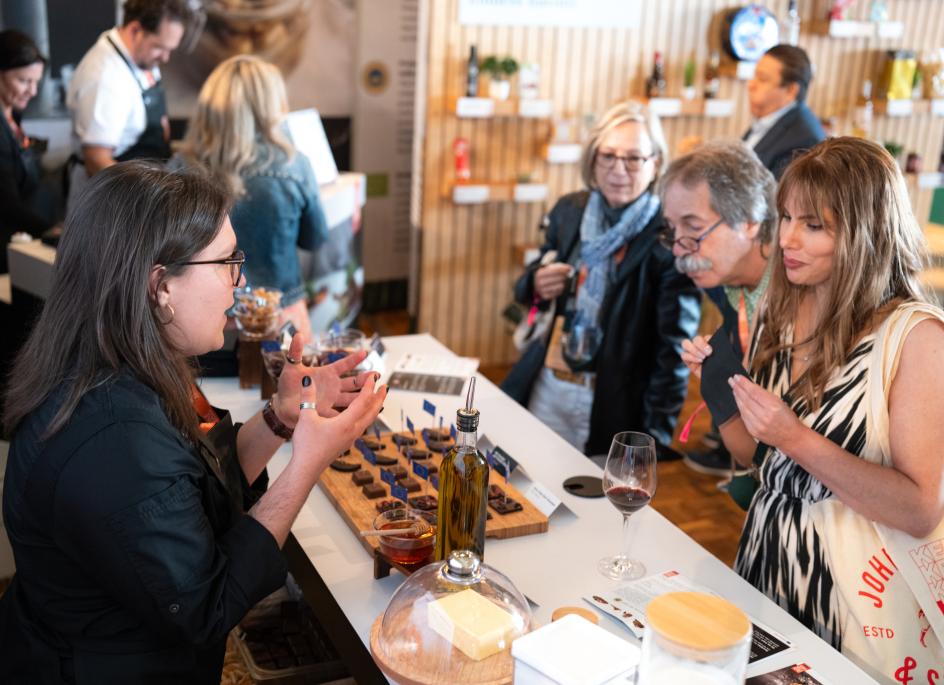
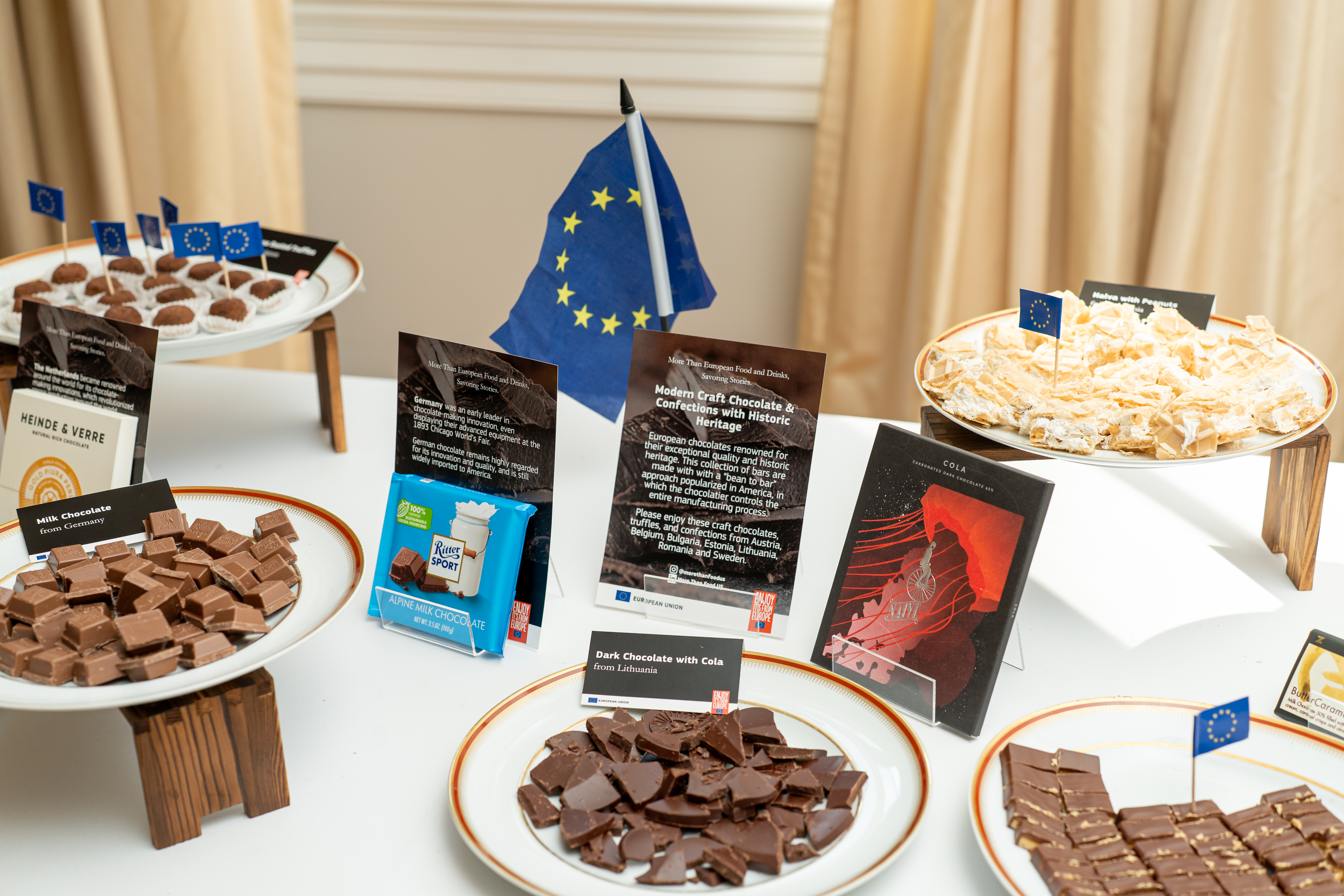
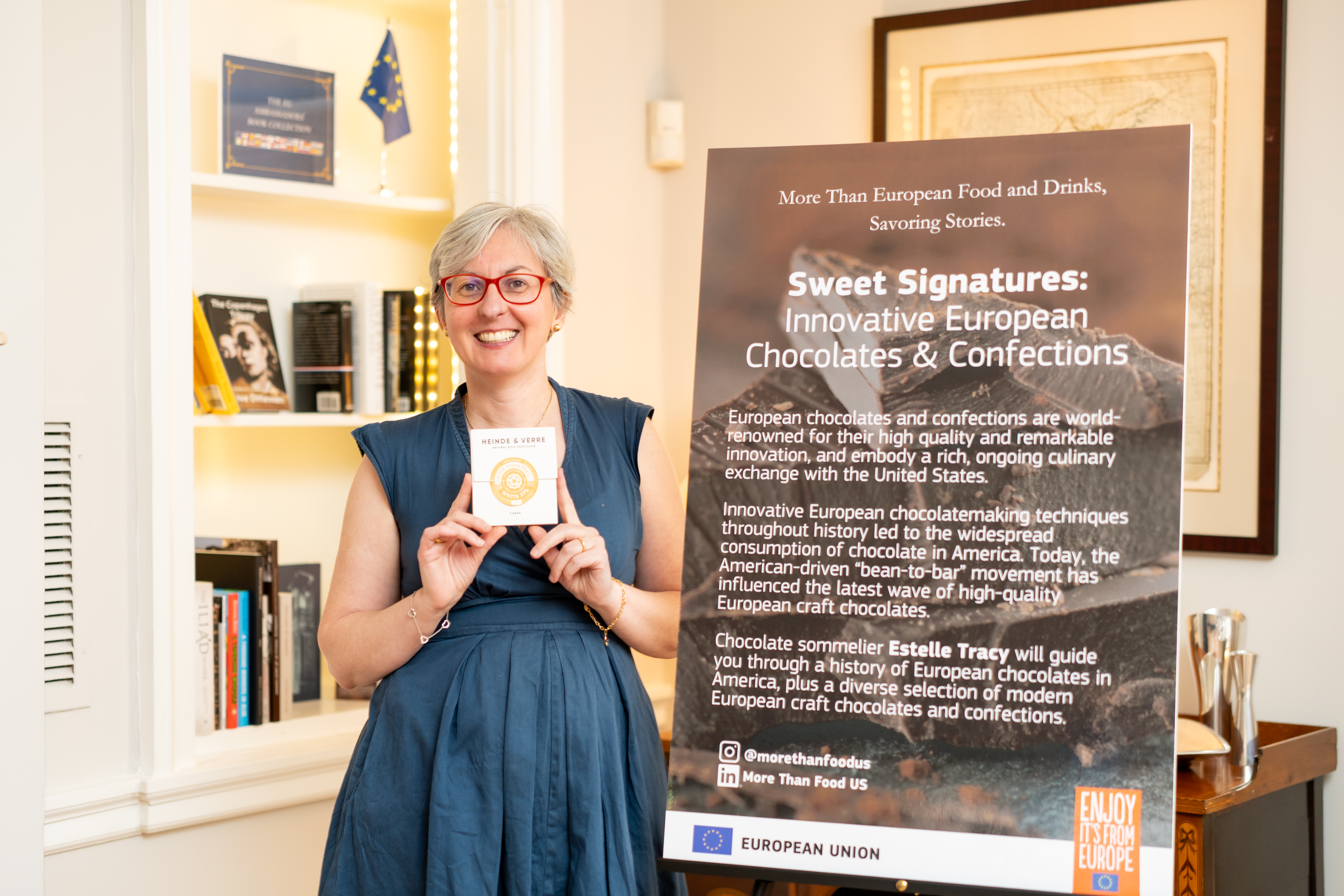
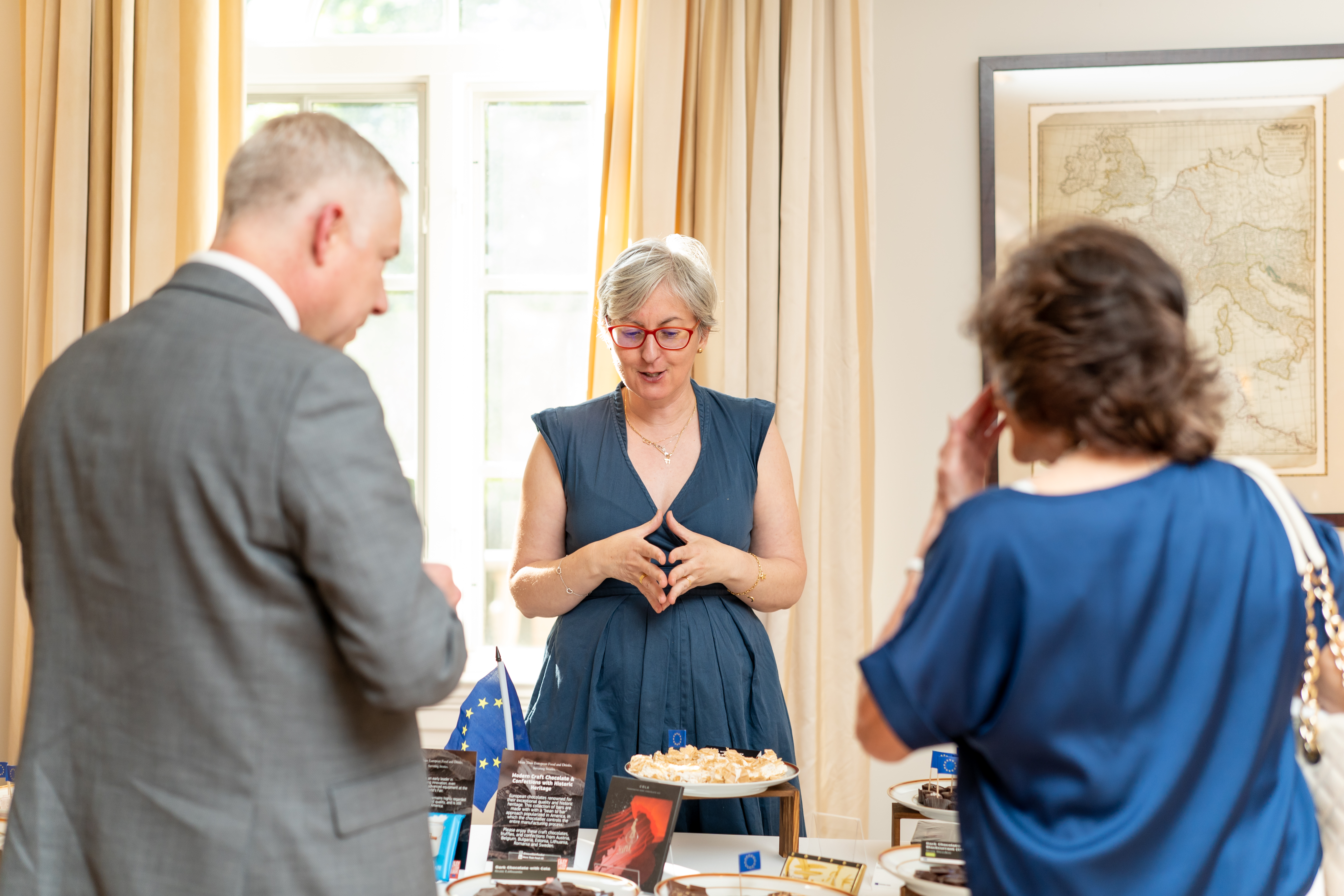
At the event, Chocolate expert Estelle Tracy invited attendees to explore the long history of innovation and exchange that continues to connect European and American chocolate cultures.
“European chocolates are renowned around the world for their quality, creativity, and centuries of expertise. But what I find especially fascinating is the long-standing exchange between Europe and the United States that continues to shape the world of chocolate today,” Tracy said.
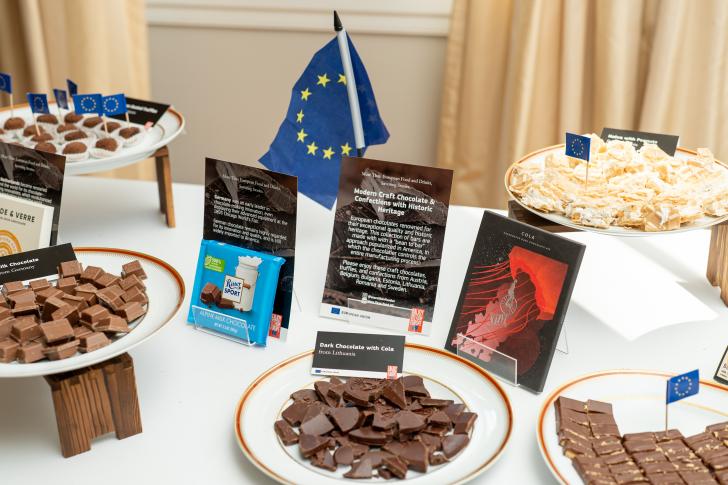
The tasting highlighted Spain’s pioneering role in introducing chocolate to Europe and, ultimately, North America. Historical records indicate that chocolate-making equipment and cocoa beans arrived in present-day Florida aboard a Spanish ship as early as 1641, helping establish one of America’s earliest connections to chocolate.
Guests also learned about Germany’s contributions to chocolate-making innovation during the industrial era and the Netherlands’ transformative role in cocoa processing technologies that helped shape modern chocolate production worldwide.
The contemporary selection reflected another important transatlantic exchange: while European chocolatiers continue to be recognized for quality and craftsmanship, America’s bean-to-bar movement has influenced producers on both sides of the Atlantic, encouraging greater transparency, attention to origin, and artisanal production methods.
Discovering the diversity of European olive oils
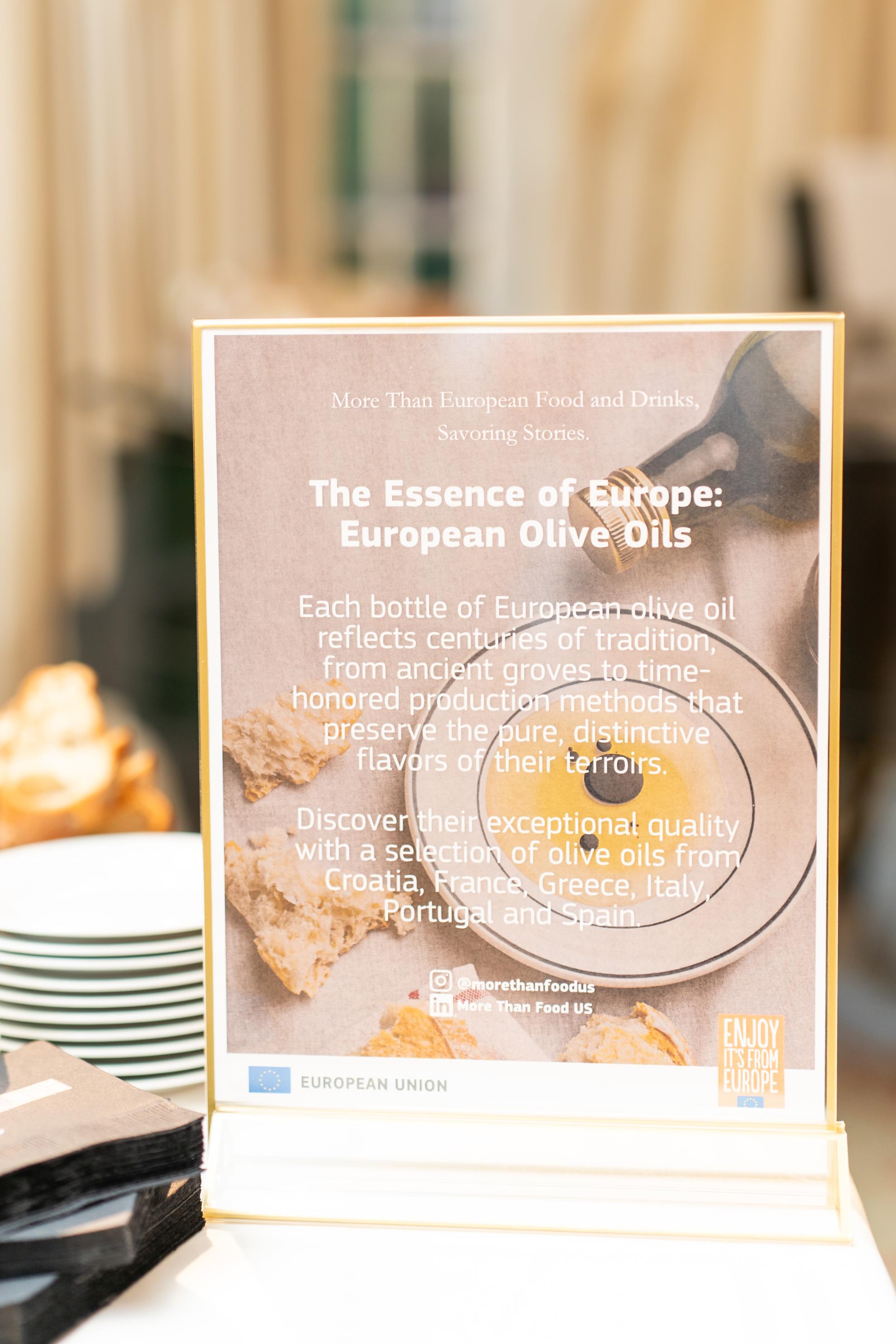
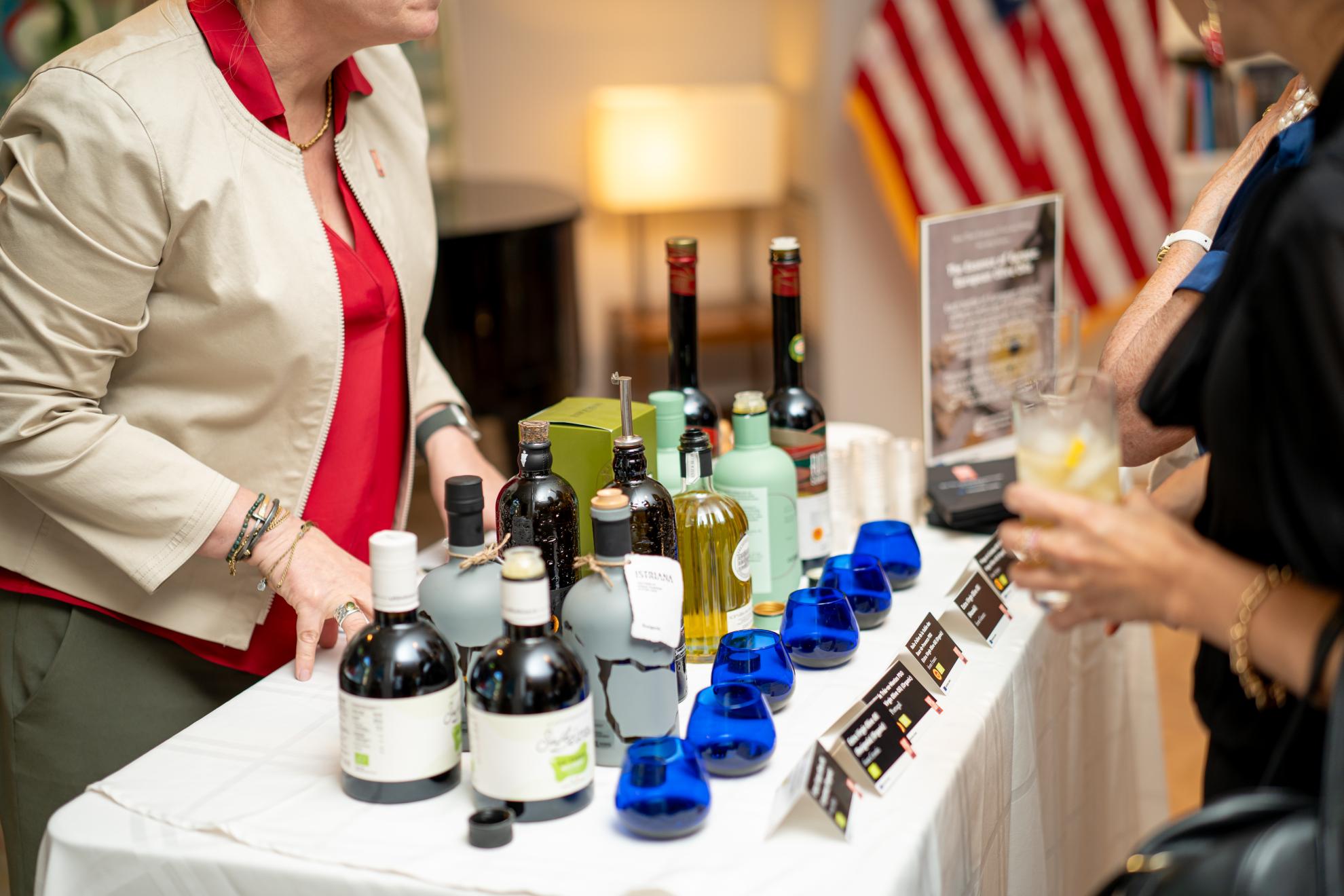
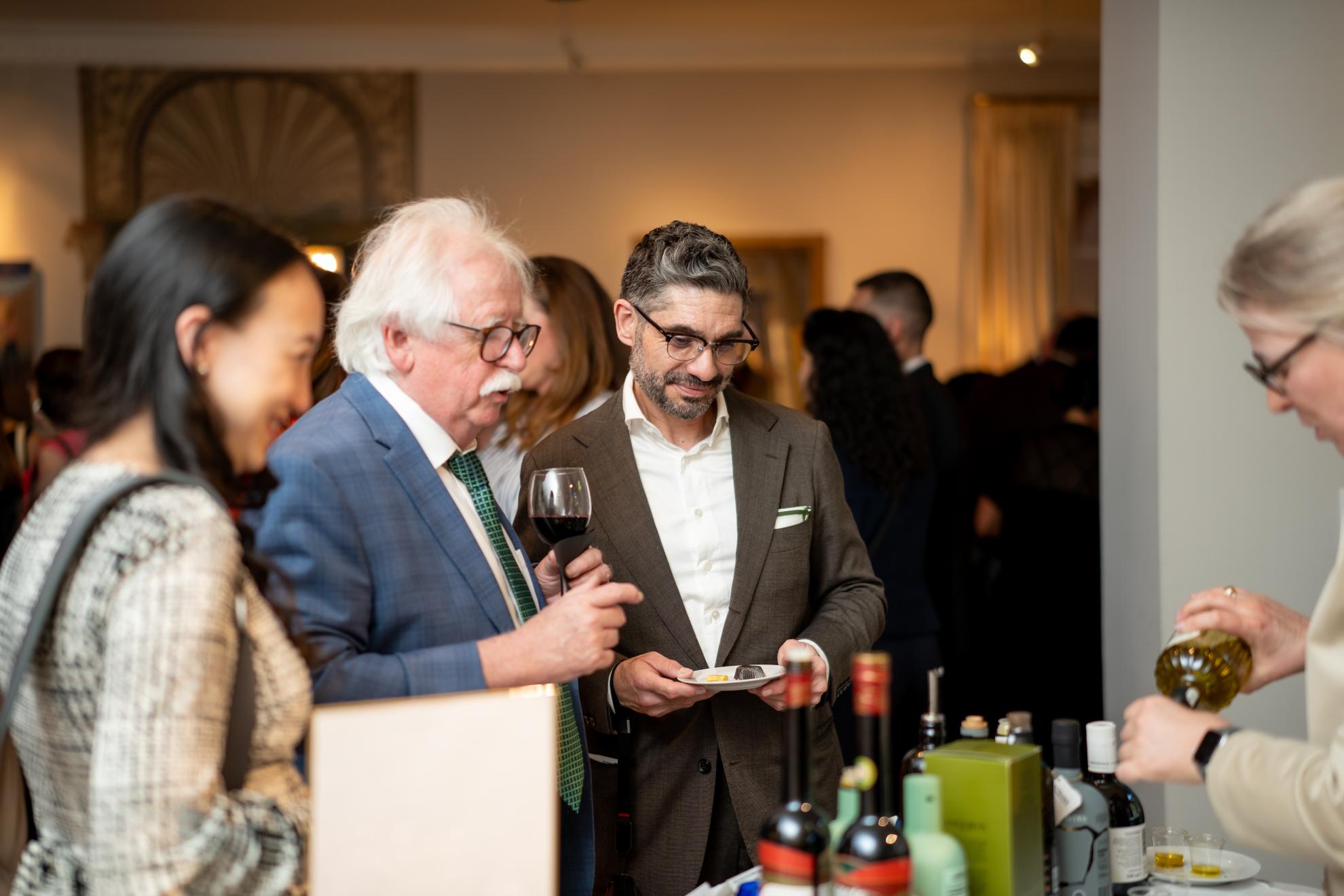
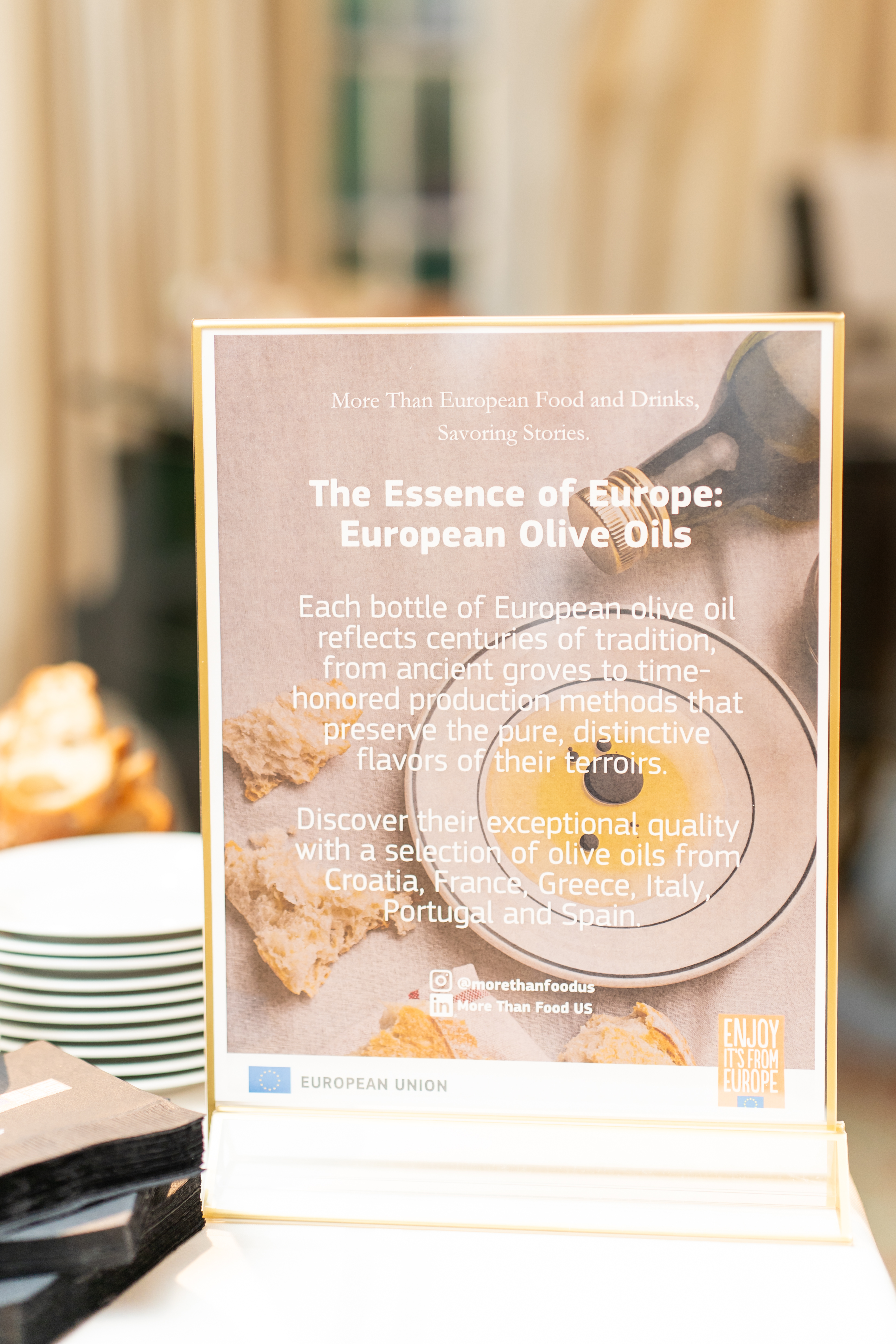
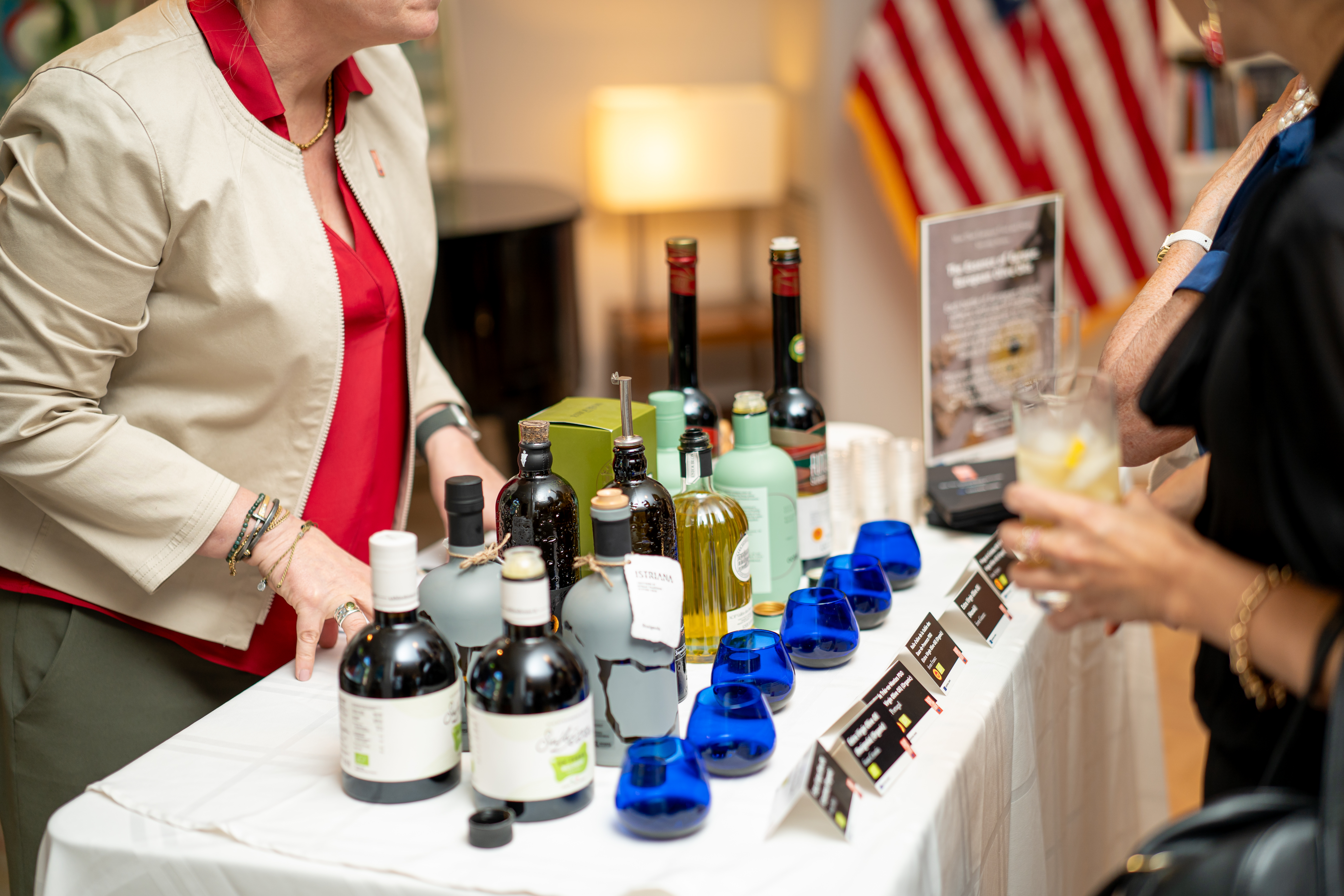
A dedicated olive oil station introduced guests to a range of extra virgin olive oils from across Europe, allowing attendees to compare aromas, flavors, and production traditions through a guided sensory experience.
Participants sampled oils from Spain, France, Greece, Italy, Portugal and Croatia, while learning how factors such as climate, olive varieties, and production methods contribute to distinctive flavor profiles. Educational videos and sensory demonstrations encouraged guests to explore olive oil not simply as an ingredient, but as a product deeply connected to regional identity and agricultural heritage.
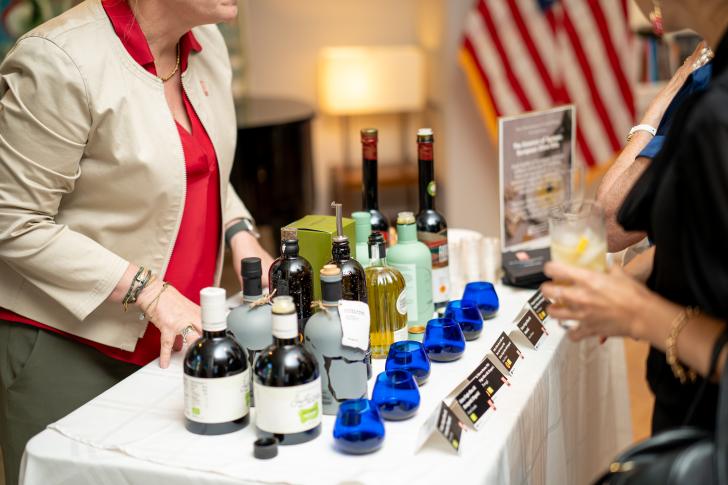
The station proved particularly popular, with many attendees experiencing an olive oil aroma tasting for the first time and expressing surprise at the remarkable diversity found across European oils.
A Celebration of heritage and discovery
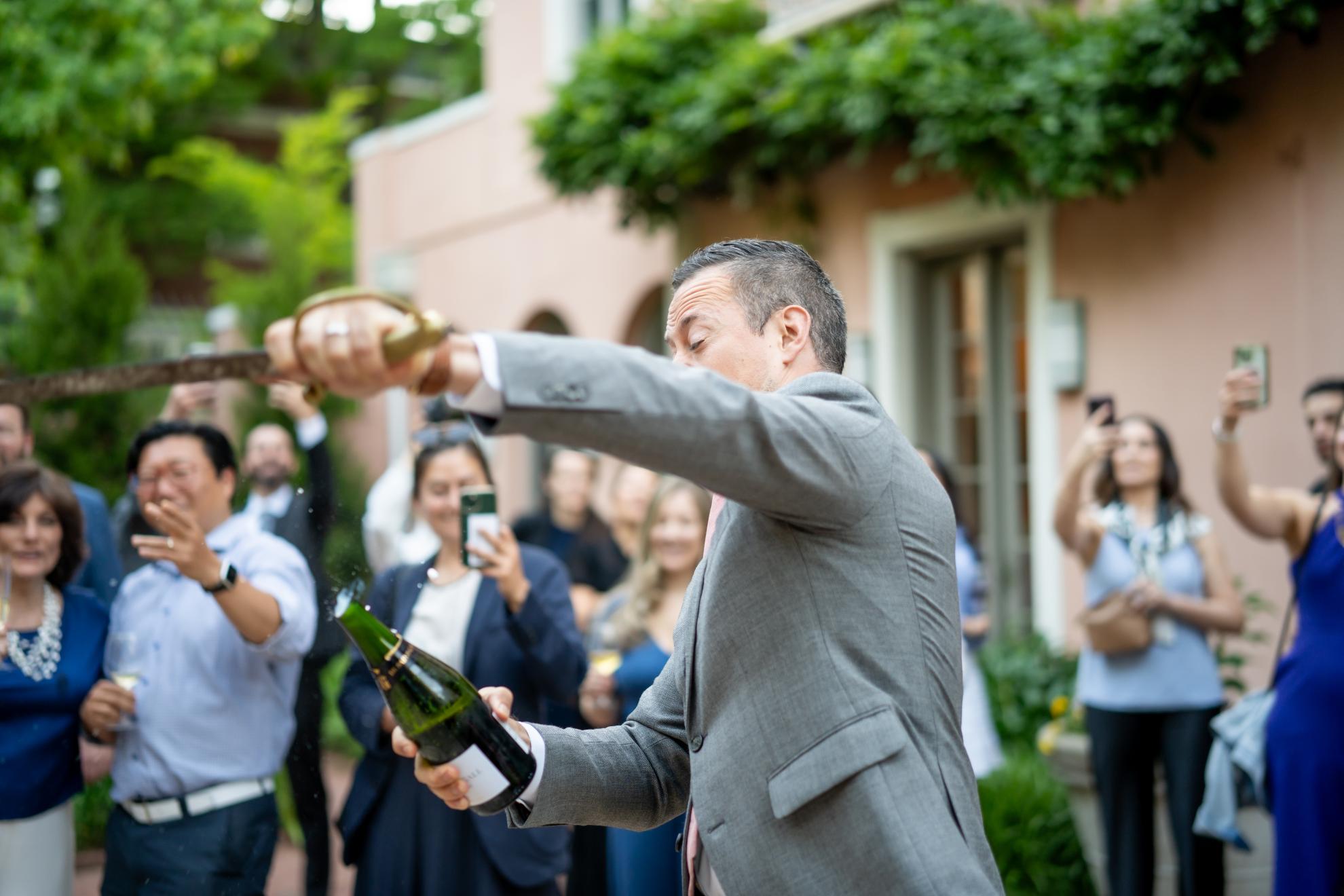
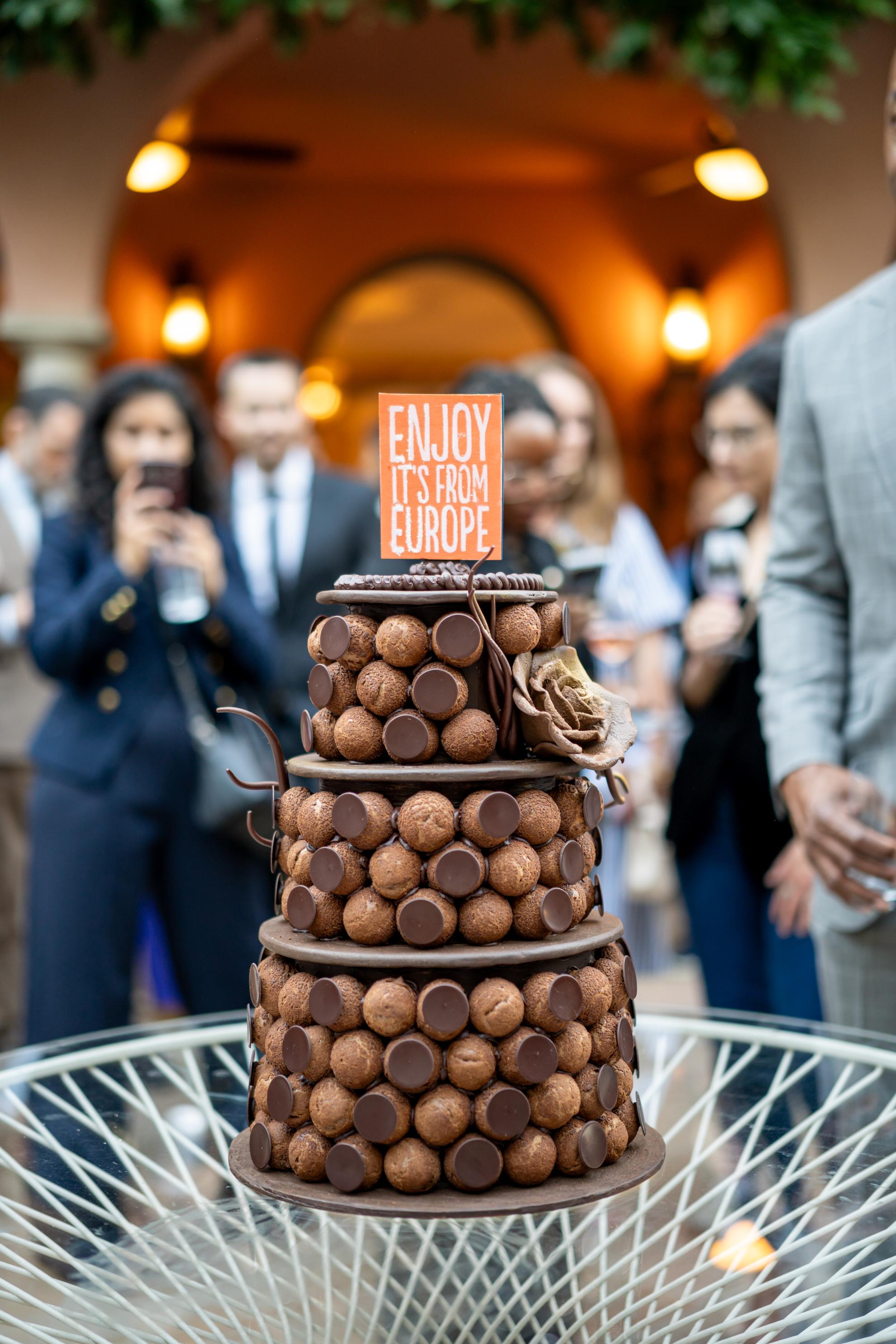
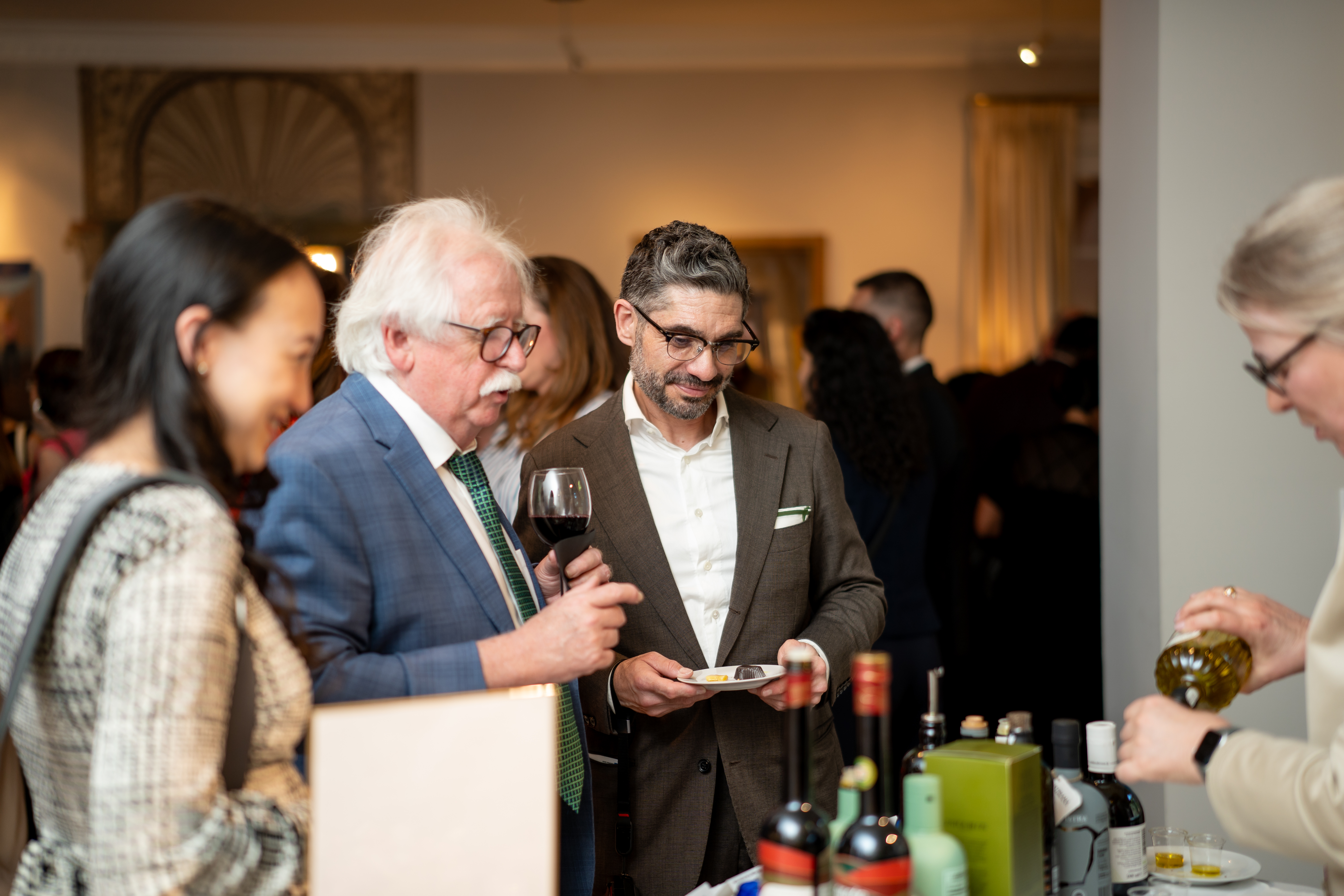
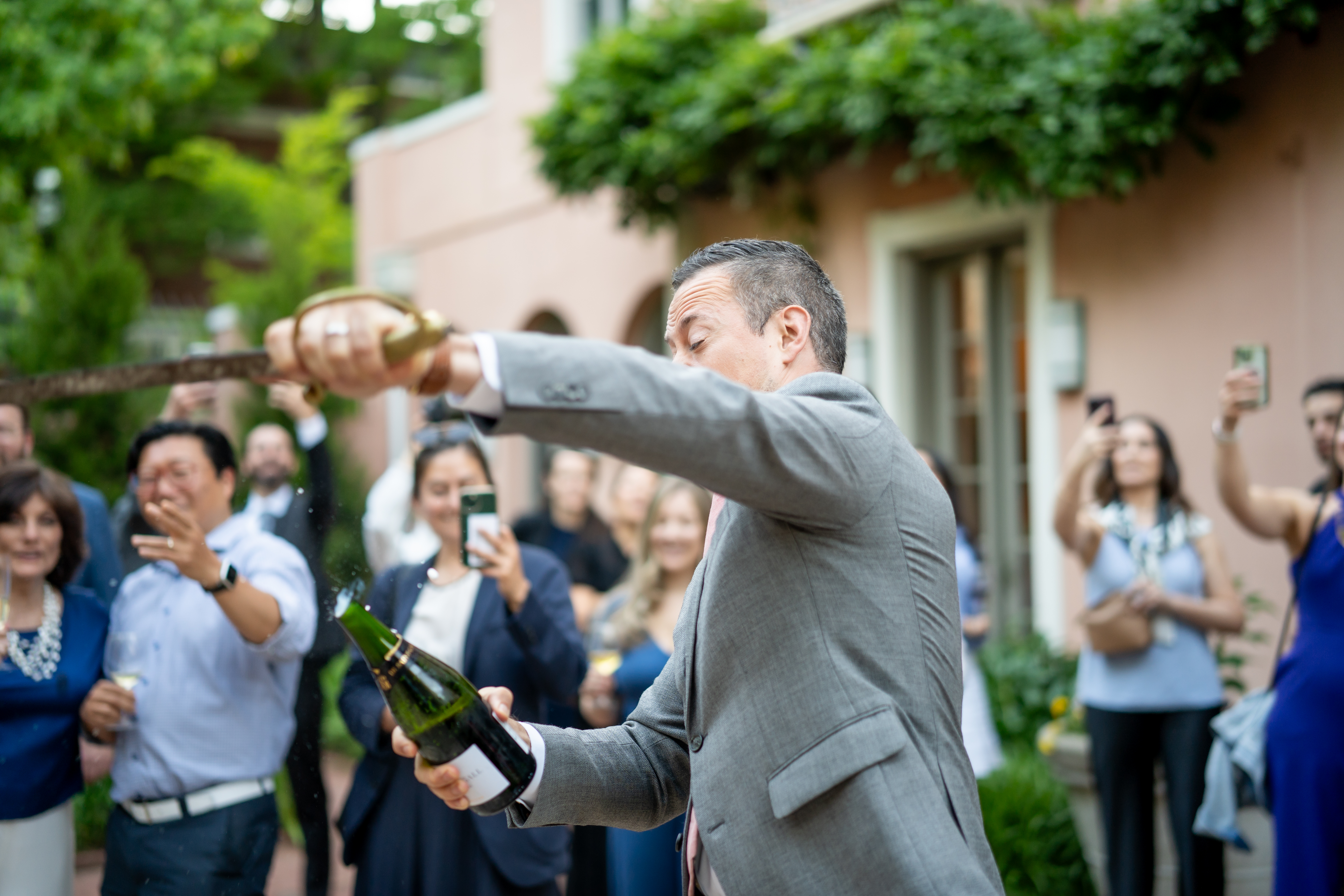
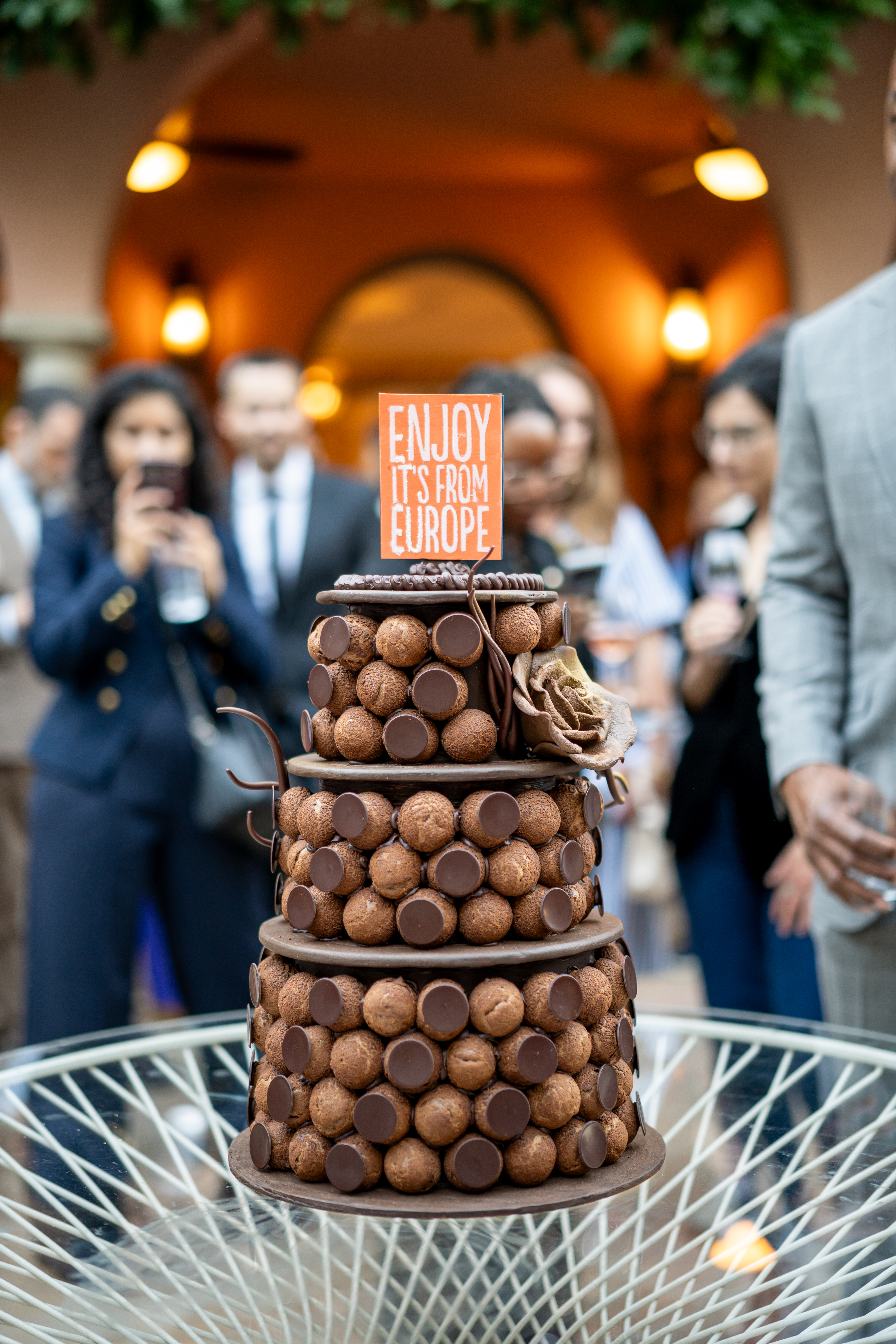
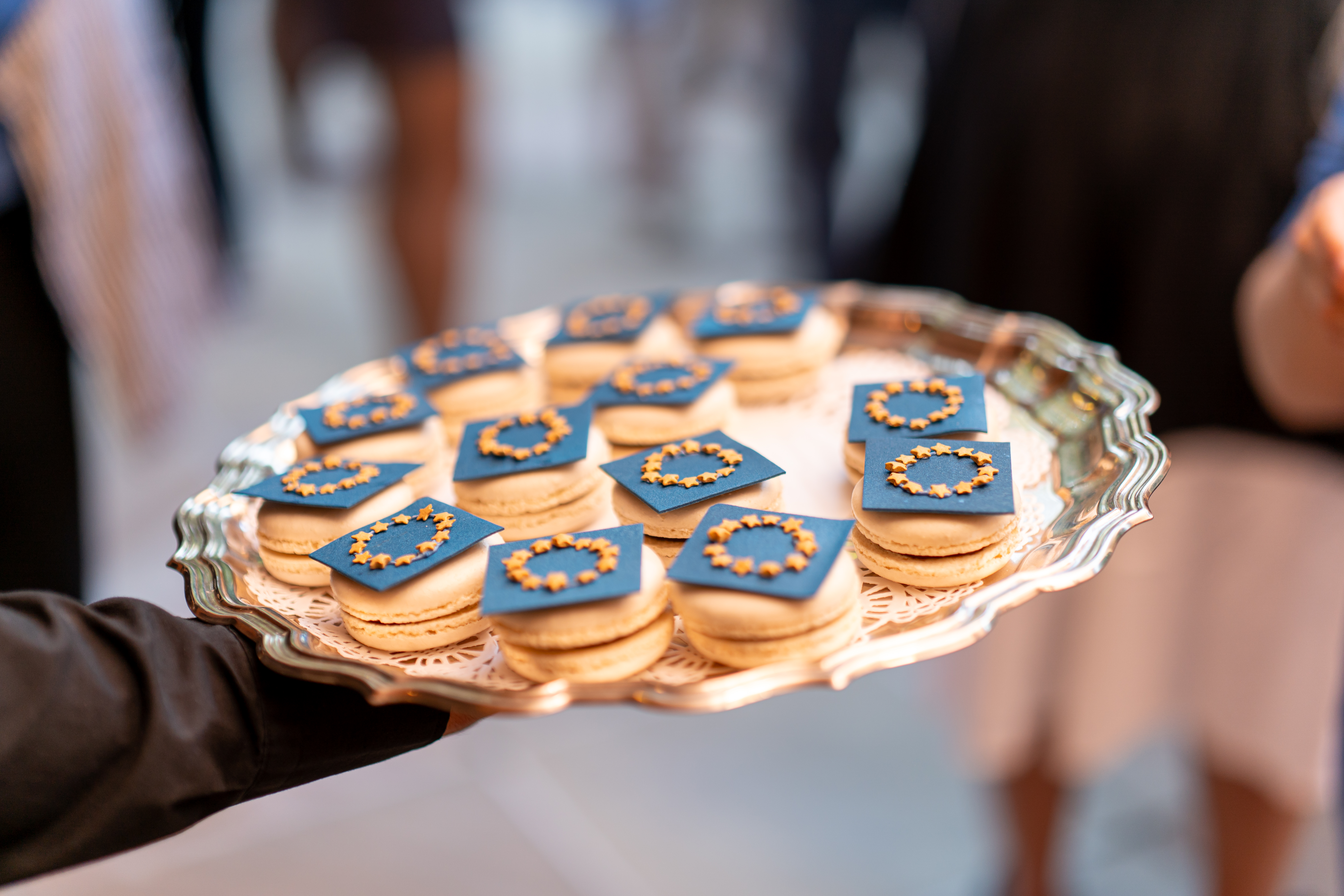
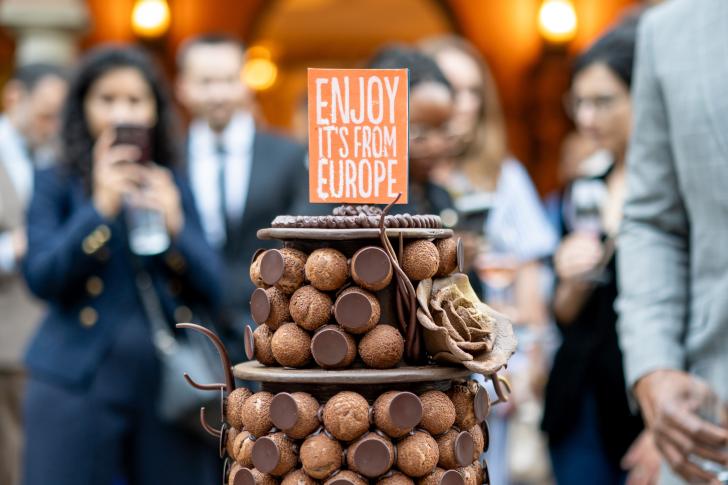
Throughout the evening, guests sampled a custom menu created by Executive Chef Davide Guimarães Martins of the Delegation of the European Union to the United States, featuring ingredients sourced from across the European Union. The event concluded with a celebratory Champagne sabrage and the presentation of custom desserts crafted with European ingredients, including Belgian chocolate and EU-inspired confections.
By connecting familiar products that have shaped American culinary history with contemporary specialties that represent the future of European food and drink, “Transatlantic Taste: Celebrating 250 Years of EU-US Culinary Exchange” demonstrated the richness, diversity, and enduring relevance of European products in the United States.
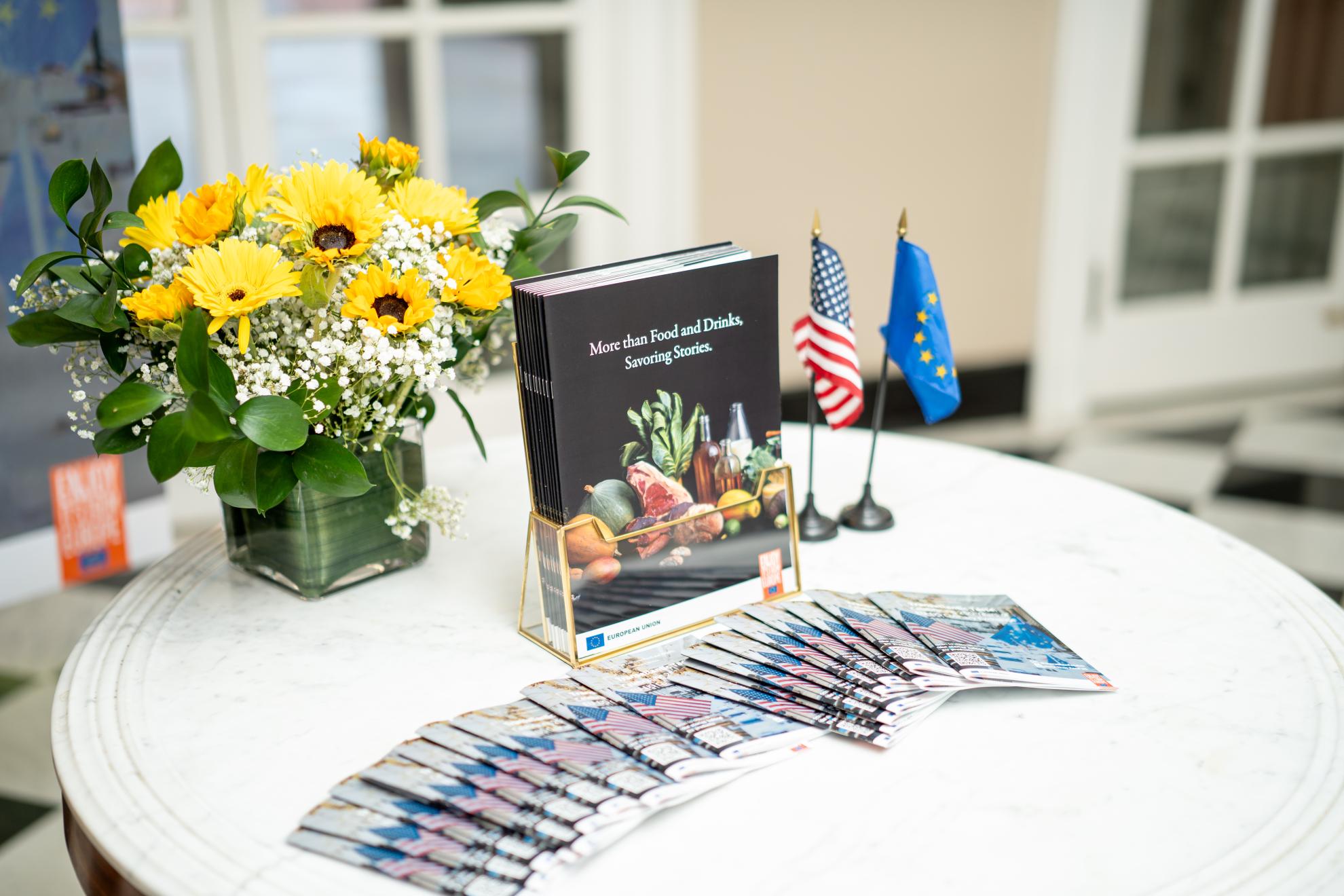
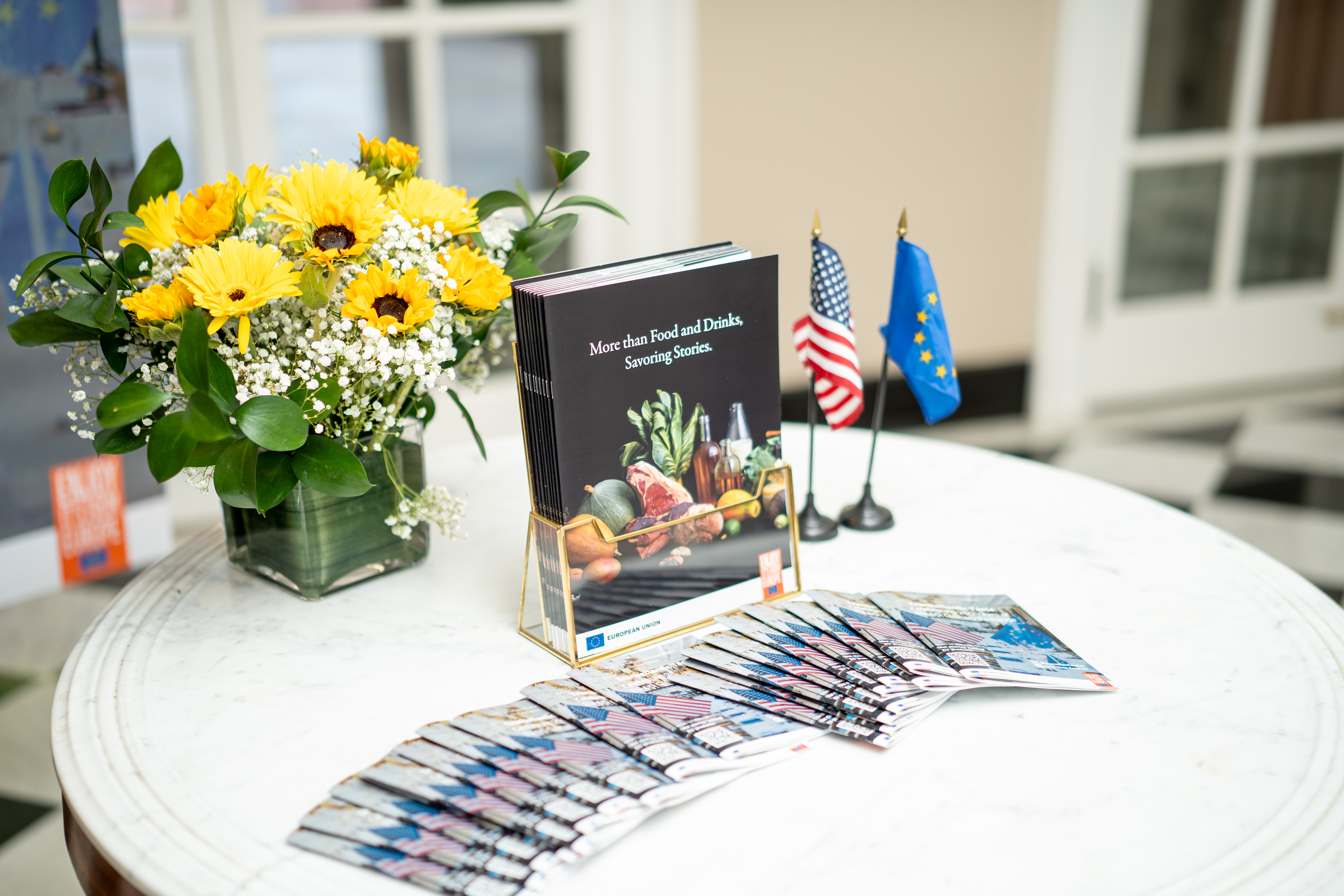
For more information on the featured EU products and their interesting facts throughout US history: download the Transatlantic Taste Product Booklet
Featured Experts:
Brent Kroll Sommelier, Restaurateur and 2026 James Beard Award Finalist
Alice Bergen Phillips Cheesemonger, Cheese Educator and Owner of Cheesemonster
Estelle Tracy Chocolate Educator and Owner of 37 Chocolates
Davide Guimarães Martins Official Chef of the Ambassador’s Residence
For more information about the More Than European Food and Drinks, Savoring Stories campaign:
Website: more-than-food-us.campaign.europa.eu
Instagram: @morethanfoodUS
LinkedIn: More Than Food US
Podcast on Spotify: European Tasty Tales
Contact: morethanfood_US@agripromotion.eu
Image gallery